Skip to content
Free Delivery above Rs. 449 | Cash on Delivery Available!
Free Delivery above Rs. 449 | Monsoon SALE is Live! | Upto 30% OFF | Cash on Delivery Available!

Thyme (थाइम) Seeds

Get 5% Off Use this Coupon WELCOME05
*Valid on orders above ₹299
*Only one discount can be applied at a time. Stacking is not permitted.
Save 60% Save 60%
Original price ₹ 299
Original price ₹ 299 - Original price ₹ 299
Original price ₹ 299
Current price ₹ 120
₹ 120 - ₹ 120
Current price ₹ 120
Fast Shipping

Fast Shipping

Secure Payment

Secure Payment

Satisfaction Guarantee

Satisfaction Guarantee

Value For Money

Value For Money

Description
How to grow
Technical Details
Growing Conditions
FAQ's
Common Questions & Troubleshooting
Shipping & Return

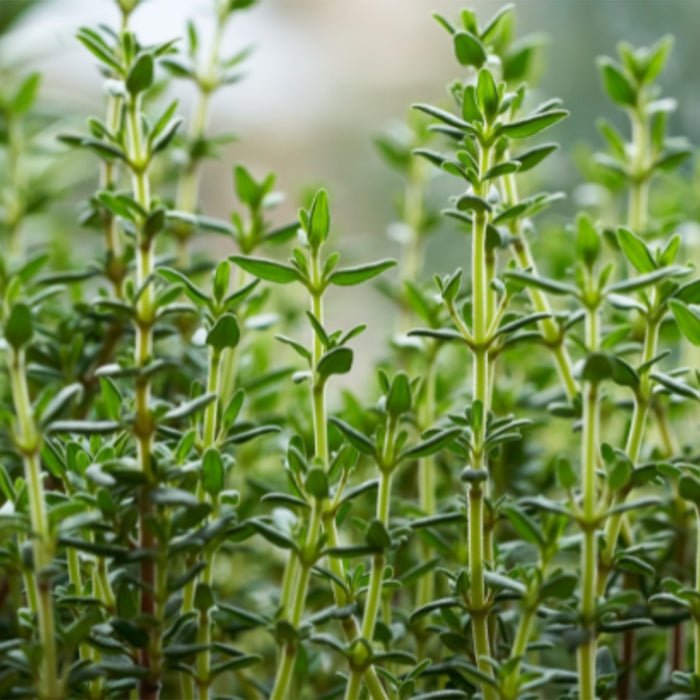
Thyme — also known as Common Thyme, Garden Thyme or थाइम — is a culinary herb from the Lamiaceae family, native to Mediterranean region. This Thymus vulgaris variety forms a low plant about 6–12 inches (15–30 cm) tall, with tiny, narrow leaves on woody stems and a strong, earthy, herbal fragrance. Its flavour is earthy, minty and slightly floral, making it a kitchen-garden essential for soups, stews, roasted meats and Mediterranean dishes.

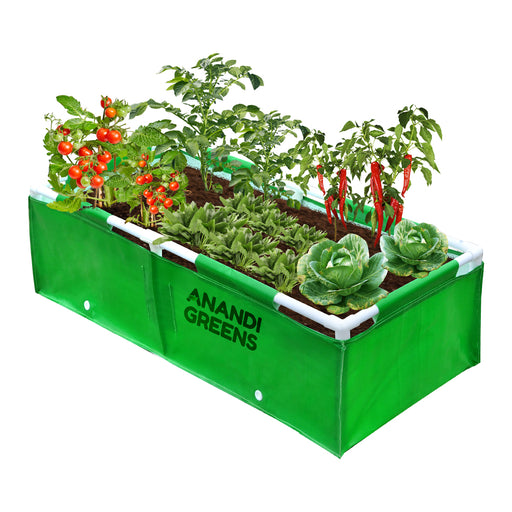
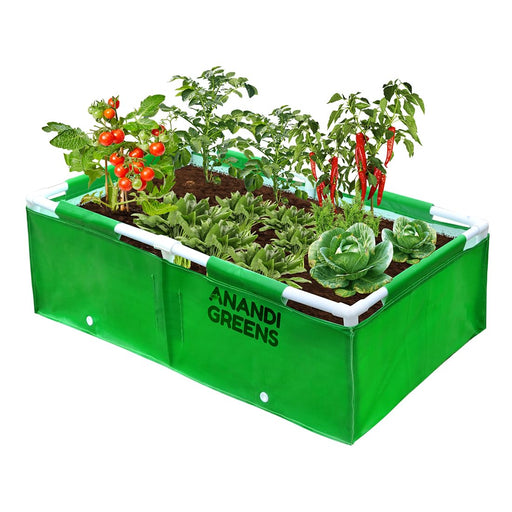
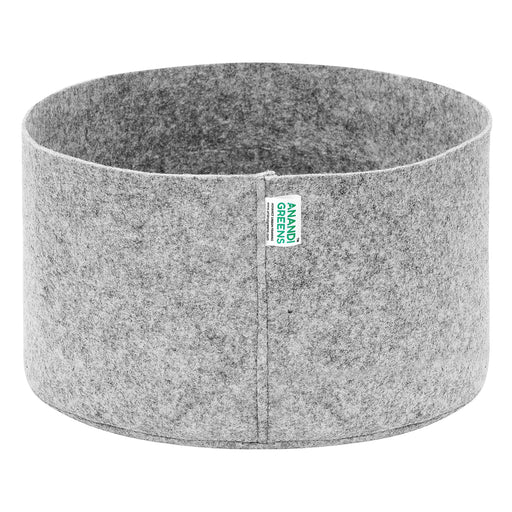
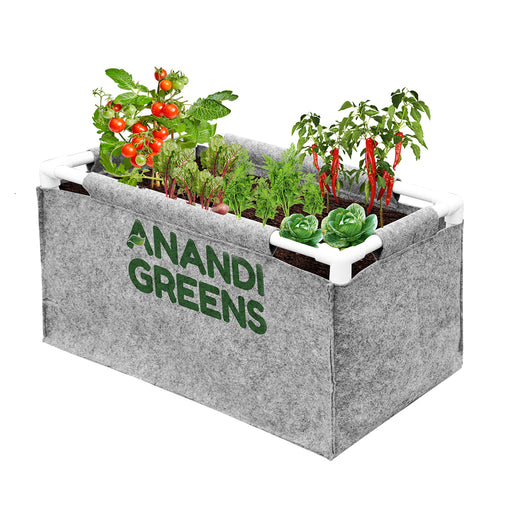
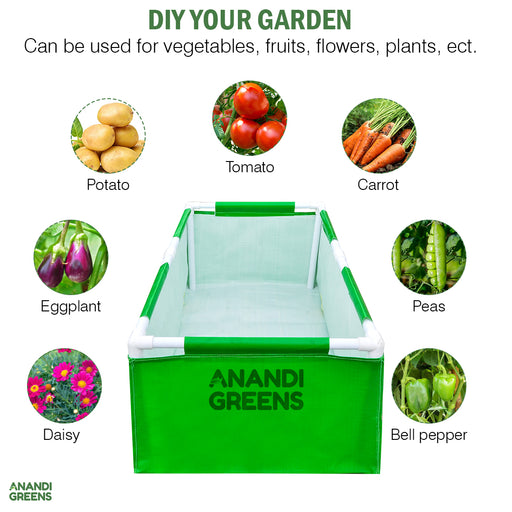
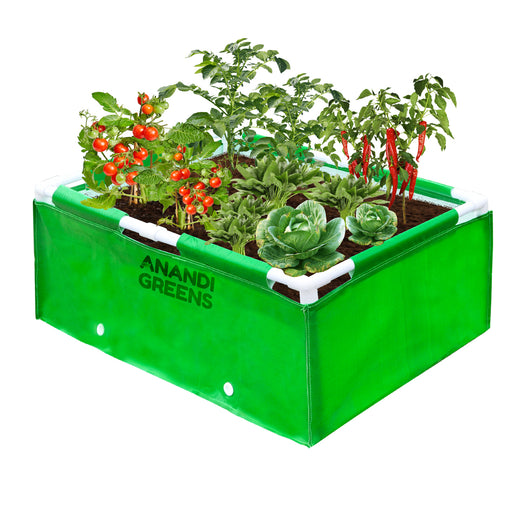
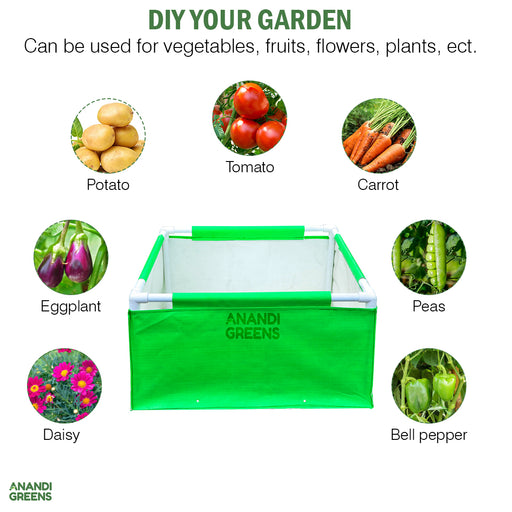
This pack of open pollinated seeds delivers 50–70% germination, with seedlings appearing in 14–21 days. Beginner-friendly and low maintenance, Thyme grows well on Indian terraces, balconies, raised beds and kitchen gardens. It needs full sun (6+ hrs/day), sandy, well-drained, slightly alkaline soil (pH 6.0–8.0) and low watering. For container growing, use Geo Fabric Circular Grow Bags or HDPE Rectangular Grow Bags — recommended size: 8x8 inch or 10x10 inch grow bag/pot minimum.

Sow Thyme in India during February–April, when temperatures sit around 18–25°C. Harvest every 2–3 weeks once established — snip stems/sprigs as needed; regrowth potential is high; regular harvesting encourages denser growth. It also makes a soothing herbal tea. Traditional uses: widely used in Mediterranean and French cuisine; traditional respiratory remedies. Build a complete herb corner by pairing it with our Oregano (अजवायन) Seeds and Rosemary Seeds (रोज़मेरी).

Fresh-cut thyme has far more aroma than dried store-bought herbs, and a single pot keeps giving harvests for months. Because it is open pollinated, you can also save seeds for the next season. Non-GMO, untreated seeds with a shelf life of 12–18 months from packaging when stored properly — ideal for home cooks, herb gardeners and terrace growers across India.

How to Grow Thyme

Thyme Growing Season in India

Sow during February–April at 18–25°C. Heat tolerance is moderate and cold tolerance good, so sowing in this window matters most.

Growing Thyme in Pots and Grow Bags

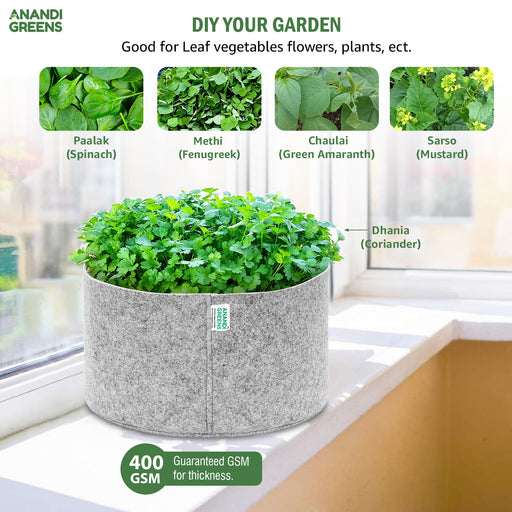
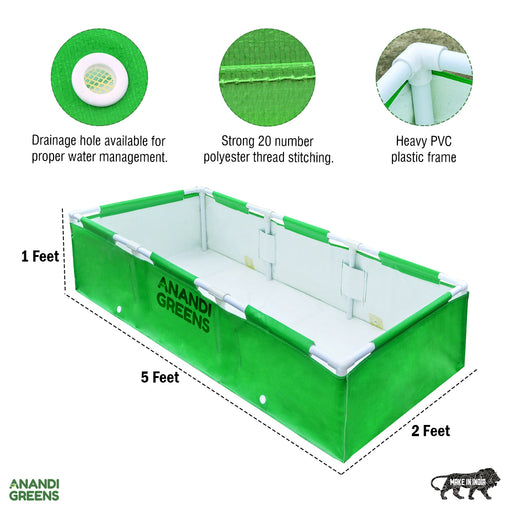
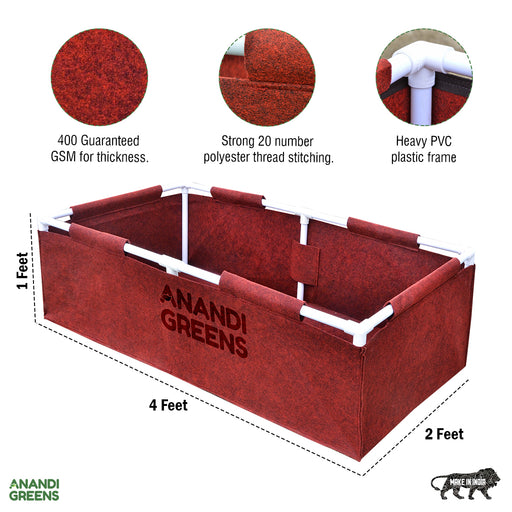
Grows well in Circular Grow Bags or Rectangular Grow Bags on terraces and balconies.

  • Container: 8x8 inch or 10x10 inch grow bag/pot minimum
  • Spacing: 20–30 cm
  • Method: Both — direct sow or start indoors and transplant
  • Soil mix: Well-drained potting mix: garden soil + cocopeat/compost + sand in 2:1:1 ratio

Sowing and Germination

Surface sow without covering (needs light); keep evenly moist but not soggy. Germination: 14–21 days. Local sowing calendars: ICAR.

Ongoing Care

Needs well-drained soil and full sun; avoid overwatering; trim after flowering to keep compact. Give full sun (6+ hrs/day) and low water. Pruning: Trim after flowering to maintain compact shape and prevent woodiness.

Harvesting Thyme

Snip stems/sprigs as needed. Frequency: every 2–3 weeks once established. Use garden scissors for clean cuts.

Common Problems

Watch for root rot from overwatering, slow establishment. Spray neem oil with a 2 L Spray Pump at dawn or dusk to control sap-sucking pests.

Common Name: Thyme

Alternate Names: Common Thyme, Garden Thyme

Regional / Indian Name: थाइम

Variety: Common Thyme

Herb Type: Culinary Herb

Herb Category: Aromatic low-growing herb

Plant Lifecycle: Perennial

Seed Type: Open Pollinated

Heirloom Status: Non-Heirloom (Open Pollinated)

Seed Size: Extremely small (~0.5–1 mm)

Germination Rate: 50–70%

Germination Time: 14–21 days

Sowing Season (India): Year-round in warm climates; best Feb-Apr and Jul-Sep

Best Sowing Months (India): February–April

Plant Height: 6–12 inches (15–30 cm)

Plant Spread: 12–18 inches

Growth Habit: Low, spreading, mat-forming

Flavour Profile: Earthy, minty, slightly floral

Flavour Intensity: Medium-Strong

Aroma: Strong, earthy, herbal

Texture: Tiny, narrow leaves on woody stems

Edible Parts: Leaves (fresh and dried)

Culinary Uses: Soups, stews, roasted meats, Mediterranean dishes

Tea / Beverage Use: Yes, used in herbal teas

Traditional Uses: Widely used in Mediterranean and French cuisine; traditional respiratory remedies

Genus: Thymus

Scientific Name: Thymus vulgaris

Plant Family: Lamiaceae (Mint family)

Native Region: Mediterranean region

Shelf Life: 12–18 months from packaging if stored properly

Sunlight: Full sun (6+ hrs/day)

Water Requirement: Low, allow soil to dry between watering

Soil Type: Sandy, well-drained, slightly alkaline

Soil pH: 6.0–8.0

Best Soil Mix: Well-drained potting mix: garden soil + cocopeat/compost + sand in 2:1:1 ratio

Temperature Range: 18–25°C

Suitable Climate: Warm-temperate to subtropical

Direct Sow / Transplant: Both — direct sow or start indoors and transplant

Seed Starting: Surface sow (needs light), keep soil lightly moist until germination

Recommended Container Size: 8x8 inch or 10x10 inch grow bag/pot minimum

Container Friendly: Yes

Indoor / Outdoor: Both Indoor and Outdoor

Hydroponic Suitability: Possible with seed-starting adaptation (not primary method)

Harvest Method: Snip stems/sprigs as needed

Harvest Frequency: Every 2–3 weeks once established

Regrowth Potential: High; regular harvesting encourages denser growth

Pruning: Trim after flowering to maintain compact shape and prevent woodiness

Heat Tolerant: Moderate

Cold Tolerant: Yes

Drought Tolerant: High once established

Beginner Friendly: Yes

Low Maintenance: Yes

Pest Resistance: High; naturally aromatic and pest-repellent

Disease Resistance: Good in dry, well-drained conditions

Common Growing Problems: Root rot from overwatering, slow establishment

Seed Saving Possible: Yes (open-pollinated, seeds can be saved)

Non-GMO: Yes

How long do Thyme seeds take to germinate?

Thyme seeds germinate in 14–21 days under ideal conditions, with a germination rate of 50–70%. Surface sow without covering (needs light); keep evenly moist but not soggy.

When should I sow Thyme seeds in India?

The best sowing months for Thyme in India are February–April. Sowing in this window gives the 18–25°C temperatures the plant prefers.

How soon can I harvest Thyme grown from seed?

Start harvesting once plants are well established and bushy. Snip stems/sprigs as needed. After that, harvest every 2–3 weeks once established.

How tall does a Thyme plant grow?

Thyme grows 6–12 inches (15–30 cm) tall with a spread of 12–18 inches and has a low growth habit.

How much sunlight does Thyme need?

Thyme needs full sun (6+ hrs/day). Shade tolerance is low.

Can Thyme be grown in pots indoors?

Yes. Use a 8x8 inch or 10x10 inch grow bag/pot minimum and place it near the brightest window or on a sunny balcony. Growing location: both indoor and outdoor.

What does Thyme taste and smell like?

Thyme has an earthy, minty and slightly floral flavour and a strong, earthy, herbal aroma, with medium-strong intensity.

How do I use fresh Thyme in cooking?

Use it in soups, stews, roasted meats and Mediterranean dishes. It also makes a popular herbal tea. Edible parts: leaves (fresh and dried).

Does Thyme grow back after harvesting?

High; regular harvesting encourages denser growth. Trim after flowering to maintain compact shape and prevent woodiness.

Can I save seeds from my Thyme plants?

Yes. Thyme is open pollinated, so seeds saved from healthy, fully mature plants will grow true to type if kept away from other varieties that could cross-pollinate.

Should I sow Thyme seeds directly or transplant seedlings?

Recommended method: Both — direct sow or start indoors and transplant. Surface sow (needs light), keep soil lightly moist until germination.

Why are my Thyme seeds not germinating?

The most common causes are sowing outside February–April, soil that is too cold or dry, and sowing too deep. Surface sow without covering (needs light); keep evenly moist but not soggy.

Why are my Thyme seedlings tall and leggy?

Leggy seedlings are stretching for light. Move trays to full sun as soon as seedlings emerge and avoid overcrowding.

How do I control pests on Thyme?

Thyme can be affected by root rot from overwatering, slow establishment. Inspect leaves regularly, especially the undersides, remove affected parts and apply a neem-based spray in the early morning or evening.

Why are my Thyme leaves turning yellow?

Yellow leaves usually point to overwatering, poor drainage or a nutrient shortage. Keep soil evenly moist but never waterlogged, and feed with compost or organic fertiliser every few weeks.

Can Thyme grow in partial shade?

Thyme performs best in full sun (6+ hrs/day). With shade tolerance rated low, plants in shade grow slower and produce fewer leaves with weaker aroma.

How often should I water Thyme?

Water requirement is low, allow soil to dry between watering. Water when the top 2–3 cm of soil feels dry — usually every 1–2 days in summer and less often in cool or cloudy weather.

Can Thyme tolerate Indian summer heat?

Heat tolerance is moderate. In very hot months, give afternoon shade, mulch the soil and water early in the morning to reduce stress.

What diseases affect Thyme and how can I prevent them?

Disease resistance is good in dry, well-drained conditions. Space plants for good airflow, water at the base instead of over the leaves, and remove infected leaves promptly.

Why is my Thyme flowering too early?

Early flowering (bolting) is triggered by heat and stress. Trim after flowering to maintain compact shape and prevent woodiness.

Refund Policy

This refund policy states that once an order has been delivered to and accepted by the customer, it cannot be refunded. However, if the customer believes that the order does not meet the specified requirements, they are required to contact the customer care team within 24 hours of receiving the order.
Here's a breakdown of the key points in this refund policy:

  • Orders Delivered and Accepted: Once a customer has received and accepted their order, they are not eligible for a refund.
  • Discrepancies in Order: If the customer believes that the order does not meet the specified requirements or is not as expected, they have a 24-hour window to contact the customer care team.

It's important for customers to read and understand the refund policy to know their rights and responsibilities when it comes to requesting refunds or addressing issues with their orders.

Cancellation Policy

This cancellation policy outlines the conditions under which customers can cancel their orders with Anandi Green's. Here are the key points of this policy:

  1. Cancellation Timeframe: Customers can request a cancellation within 24 hours of placing an order. Cancellation requests made after this time period may not be entertained.
  2. Exclusions for Cancellation: Orders cannot be canceled if they have already been communicated to the vendors/merchants, and the shipping process has been initiated. Additionally, there is no cancellation allowed for orders placed under the Same Day Delivery category.
  3. Special Occasion Products: Orders for products obtained by Anandi Green's marketing team on special occasions like Pongal, Diwali, Valentine's Day, etc., cannot be canceled. These are considered limited occasion offers.
  4. Damaged or Defective Items: If customers receive damaged or defective consumer durable or nondurable items, they should report the issue to the Customer Service team within 1 day of receipt. The request will be entertained after the merchant has checked and confirmed the issue.
  5. Product Not as Expected: If a customer receives a product that does not meet their expectations or does not match what was shown on the website, they must inform the customer service team within 24 hours of receiving the product. The Customer Service Team will review the complaint and make an appropriate decision.

Delivery and Shipping Policy

We have partnered with several logistics for our Domestic Shipments. Normal delivery and shipping estimate for all the domestic shipments are between 5 to 7 business days, delays might occur in some unavoidable circumstances .

Mandatory Unboxing Video for Claims.

For missing items or damaged products, claiming resolution requires the customer to provide a clear and uninterrupted unboxing video.

OTP Verified Delivery Protocol.

Delivery OTP should be provided only when the delivery agent is physically present at the doorstep. Any OTP shared over a call before product arrival will result in cancellation or rescheduling of the delivery.

Description▼

Thyme — also known as Common Thyme, Garden Thyme or थाइम — is a culinary herb from the Lamiaceae family, native to Mediterranean region. This Thymus vulgaris variety forms a low plant about 6–12 inches (15–30 cm) tall, with tiny, narrow leaves on woody stems and a strong, earthy, herbal fragrance. Its flavour is earthy, minty and slightly floral, making it a kitchen-garden essential for soups, stews, roasted meats and Mediterranean dishes.

This pack of open pollinated seeds delivers 50–70% germination, with seedlings appearing in 14–21 days. Beginner-friendly and low maintenance, Thyme grows well on Indian terraces, balconies, raised beds and kitchen gardens. It needs full sun (6+ hrs/day), sandy, well-drained, slightly alkaline soil (pH 6.0–8.0) and low watering. For container growing, use Geo Fabric Circular Grow Bags or HDPE Rectangular Grow Bags — recommended size: 8x8 inch or 10x10 inch grow bag/pot minimum.

Sow Thyme in India during February–April, when temperatures sit around 18–25°C. Harvest every 2–3 weeks once established — snip stems/sprigs as needed; regrowth potential is high; regular harvesting encourages denser growth. It also makes a soothing herbal tea. Traditional uses: widely used in Mediterranean and French cuisine; traditional respiratory remedies. Build a complete herb corner by pairing it with our Oregano (अजवायन) Seeds and Rosemary Seeds (रोज़मेरी).

Fresh-cut thyme has far more aroma than dried store-bought herbs, and a single pot keeps giving harvests for months. Because it is open pollinated, you can also save seeds for the next season. Non-GMO, untreated seeds with a shelf life of 12–18 months from packaging when stored properly — ideal for home cooks, herb gardeners and terrace growers across India.

How to grow▼

How to Grow Thyme

Thyme Growing Season in India

Sow during February–April at 18–25°C. Heat tolerance is moderate and cold tolerance good, so sowing in this window matters most.

Growing Thyme in Pots and Grow Bags

Grows well in Circular Grow Bags or Rectangular Grow Bags on terraces and balconies.

  • Container: 8x8 inch or 10x10 inch grow bag/pot minimum
  • Spacing: 20–30 cm
  • Method: Both — direct sow or start indoors and transplant
  • Soil mix: Well-drained potting mix: garden soil + cocopeat/compost + sand in 2:1:1 ratio

Sowing and Germination

Surface sow without covering (needs light); keep evenly moist but not soggy. Germination: 14–21 days. Local sowing calendars: ICAR.

Ongoing Care

Needs well-drained soil and full sun; avoid overwatering; trim after flowering to keep compact. Give full sun (6+ hrs/day) and low water. Pruning: Trim after flowering to maintain compact shape and prevent woodiness.

Harvesting Thyme

Snip stems/sprigs as needed. Frequency: every 2–3 weeks once established. Use garden scissors for clean cuts.

Common Problems

Watch for root rot from overwatering, slow establishment. Spray neem oil with a 2 L Spray Pump at dawn or dusk to control sap-sucking pests.

Technical Details▼

Common Name: Thyme

Alternate Names: Common Thyme, Garden Thyme

Regional / Indian Name: थाइम

Variety: Common Thyme

Herb Type: Culinary Herb

Herb Category: Aromatic low-growing herb

Plant Lifecycle: Perennial

Seed Type: Open Pollinated

Heirloom Status: Non-Heirloom (Open Pollinated)

Seed Size: Extremely small (~0.5–1 mm)

Germination Rate: 50–70%

Germination Time: 14–21 days

Sowing Season (India): Year-round in warm climates; best Feb-Apr and Jul-Sep

Best Sowing Months (India): February–April

Plant Height: 6–12 inches (15–30 cm)

Plant Spread: 12–18 inches

Growth Habit: Low, spreading, mat-forming

Flavour Profile: Earthy, minty, slightly floral

Flavour Intensity: Medium-Strong

Aroma: Strong, earthy, herbal

Texture: Tiny, narrow leaves on woody stems

Edible Parts: Leaves (fresh and dried)

Culinary Uses: Soups, stews, roasted meats, Mediterranean dishes

Tea / Beverage Use: Yes, used in herbal teas

Traditional Uses: Widely used in Mediterranean and French cuisine; traditional respiratory remedies

Genus: Thymus

Scientific Name: Thymus vulgaris

Plant Family: Lamiaceae (Mint family)

Native Region: Mediterranean region

Shelf Life: 12–18 months from packaging if stored properly

Growing Conditions▼

Sunlight: Full sun (6+ hrs/day)

Water Requirement: Low, allow soil to dry between watering

Soil Type: Sandy, well-drained, slightly alkaline

Soil pH: 6.0–8.0

Best Soil Mix: Well-drained potting mix: garden soil + cocopeat/compost + sand in 2:1:1 ratio

Temperature Range: 18–25°C

Suitable Climate: Warm-temperate to subtropical

Direct Sow / Transplant: Both — direct sow or start indoors and transplant

Seed Starting: Surface sow (needs light), keep soil lightly moist until germination

Recommended Container Size: 8x8 inch or 10x10 inch grow bag/pot minimum

Container Friendly: Yes

Indoor / Outdoor: Both Indoor and Outdoor

Hydroponic Suitability: Possible with seed-starting adaptation (not primary method)

Harvest Method: Snip stems/sprigs as needed

Harvest Frequency: Every 2–3 weeks once established

Regrowth Potential: High; regular harvesting encourages denser growth

Pruning: Trim after flowering to maintain compact shape and prevent woodiness

Heat Tolerant: Moderate

Cold Tolerant: Yes

Drought Tolerant: High once established

Beginner Friendly: Yes

Low Maintenance: Yes

Pest Resistance: High; naturally aromatic and pest-repellent

Disease Resistance: Good in dry, well-drained conditions

Common Growing Problems: Root rot from overwatering, slow establishment

Seed Saving Possible: Yes (open-pollinated, seeds can be saved)

Non-GMO: Yes

FAQ's▼
How long do Thyme seeds take to germinate?

Thyme seeds germinate in 14–21 days under ideal conditions, with a germination rate of 50–70%. Surface sow without covering (needs light); keep evenly moist but not soggy.

When should I sow Thyme seeds in India?

The best sowing months for Thyme in India are February–April. Sowing in this window gives the 18–25°C temperatures the plant prefers.

How soon can I harvest Thyme grown from seed?

Start harvesting once plants are well established and bushy. Snip stems/sprigs as needed. After that, harvest every 2–3 weeks once established.

How tall does a Thyme plant grow?

Thyme grows 6–12 inches (15–30 cm) tall with a spread of 12–18 inches and has a low growth habit.

How much sunlight does Thyme need?

Thyme needs full sun (6+ hrs/day). Shade tolerance is low.

Can Thyme be grown in pots indoors?

Yes. Use a 8x8 inch or 10x10 inch grow bag/pot minimum and place it near the brightest window or on a sunny balcony. Growing location: both indoor and outdoor.

What does Thyme taste and smell like?

Thyme has an earthy, minty and slightly floral flavour and a strong, earthy, herbal aroma, with medium-strong intensity.

How do I use fresh Thyme in cooking?

Use it in soups, stews, roasted meats and Mediterranean dishes. It also makes a popular herbal tea. Edible parts: leaves (fresh and dried).

Does Thyme grow back after harvesting?

High; regular harvesting encourages denser growth. Trim after flowering to maintain compact shape and prevent woodiness.

Can I save seeds from my Thyme plants?

Yes. Thyme is open pollinated, so seeds saved from healthy, fully mature plants will grow true to type if kept away from other varieties that could cross-pollinate.

Common Questions & Troubleshooting▼
Should I sow Thyme seeds directly or transplant seedlings?

Recommended method: Both — direct sow or start indoors and transplant. Surface sow (needs light), keep soil lightly moist until germination.

Why are my Thyme seeds not germinating?

The most common causes are sowing outside February–April, soil that is too cold or dry, and sowing too deep. Surface sow without covering (needs light); keep evenly moist but not soggy.

Why are my Thyme seedlings tall and leggy?

Leggy seedlings are stretching for light. Move trays to full sun as soon as seedlings emerge and avoid overcrowding.

How do I control pests on Thyme?

Thyme can be affected by root rot from overwatering, slow establishment. Inspect leaves regularly, especially the undersides, remove affected parts and apply a neem-based spray in the early morning or evening.

Why are my Thyme leaves turning yellow?

Yellow leaves usually point to overwatering, poor drainage or a nutrient shortage. Keep soil evenly moist but never waterlogged, and feed with compost or organic fertiliser every few weeks.

Can Thyme grow in partial shade?

Thyme performs best in full sun (6+ hrs/day). With shade tolerance rated low, plants in shade grow slower and produce fewer leaves with weaker aroma.

How often should I water Thyme?

Water requirement is low, allow soil to dry between watering. Water when the top 2–3 cm of soil feels dry — usually every 1–2 days in summer and less often in cool or cloudy weather.

Can Thyme tolerate Indian summer heat?

Heat tolerance is moderate. In very hot months, give afternoon shade, mulch the soil and water early in the morning to reduce stress.

What diseases affect Thyme and how can I prevent them?

Disease resistance is good in dry, well-drained conditions. Space plants for good airflow, water at the base instead of over the leaves, and remove infected leaves promptly.

Why is my Thyme flowering too early?

Early flowering (bolting) is triggered by heat and stress. Trim after flowering to maintain compact shape and prevent woodiness.

Shipping & Return▼

Refund Policy

This refund policy states that once an order has been delivered to and accepted by the customer, it cannot be refunded. However, if the customer believes that the order does not meet the specified requirements, they are required to contact the customer care team within 24 hours of receiving the order.

Here's a breakdown of the key points in this refund policy:

  • Orders Delivered and Accepted: Once a customer has received and accepted their order, they are not eligible for a refund.
  • Discrepancies in Order: If the customer believes that the order does not meet the specified requirements or is not as expected, they have a 24-hour window to contact the customer care team.

It's important for customers to read and understand the refund policy to know their rights and responsibilities when it comes to requesting refunds or addressing issues with their orders.

Cancellation Policy

This cancellation policy outlines the conditions under which customers can cancel their orders with Anandi Green's. Here are the key points of this policy:

  1. Cancellation Timeframe: Customers can request a cancellation within 24 hours of placing an order. Cancellation requests made after this time period may not be entertained.
  2. Exclusions for Cancellation: Orders cannot be canceled if they have already been communicated to the vendors/merchants, and the shipping process has been initiated. Additionally, there is no cancellation allowed for orders placed under the Same Day Delivery category.
  3. Special Occasion Products: Orders for products obtained by Anandi Green's marketing team on special occasions like Pongal, Diwali, Valentine's Day, etc., cannot be canceled. These are considered limited occasion offers.
  4. Damaged or Defective Items: If customers receive damaged or defective consumer durable or nondurable items, they should report the issue to the Customer Service team within 1 day of receipt. The request will be entertained after the merchant has checked and confirmed the issue.
  5. Product Not as Expected: If a customer receives a product that does not meet their expectations or does not match what was shown on the website, they must inform the customer service team within 24 hours of receiving the product. The Customer Service Team will review the complaint and make an appropriate decision.

Delivery and Shipping Policy

We have partnered with several logistics for our Domestic Shipments. Normal delivery and shipping estimate for all the domestic shipments are between 5 to 7 business days, delays might occur in some unavoidable circumstances .

Mandatory Unboxing Video for Claims.

For missing items or damaged products, claiming resolution requires the customer to provide a clear and uninterrupted unboxing video.

OTP Verified Delivery Protocol.

Delivery OTP should be provided only when the delivery agent is physically present at the doorstep. Any OTP shared over a call before product arrival will result in cancellation or rescheduling of the delivery.

Why Choose Us

See How We Compare

An honest side-by-side look at everything that matters.

Features

Thyme (थाइम) Seeds

View Product

Oregano (अजवायन) Seeds

View Product

Rosemary Seeds (रोज़मेरी)

View Product

Lavender | लैवेंडर के बीज 50 Seeds

View Product
Plant Lifecycle

Perennial

Perennial (woody shrub)

Perennial

Herb Type

Culinary Herb

Culinary & Aromatic Herb

Aromatic & Ornamental Herb

Flavour Profile

Earthy, pungent, slightly bitter

Piney, woody, slightly peppery

Floral, slightly sweet, herbaceous

Aroma

Strong, pungent, herbaceous

Strong, pine-like, resinous

Strong, floral, calming

Germination Time

10–14 days

15–25 days (can take up to 4–6 weeks)

14–21 days (can take longer)

Best Sowing Months (India)

February–April

February–March (cooler regions preferred)

February–March (cooler regions/hill areas ideal)

Plant Height

12–24 inches (30–60 cm)

2–4 feet (60–120 cm)

2–4 feet (60–120 cm)

Sunlight Requirement

Full sun to partial shade (6+ hrs ideal)

Full sun (6–8 hrs/day)

Full sun (6–8 hrs/day)

Water Requirement

Low-Moderate, allow soil to dry between watering

Low, drought-tolerant, avoid overwatering

Low, drought-tolerant, avoid overwatering

Choose your Grow Bag Easily!