Skip to content
Free Delivery above Rs. 449 | Cash on Delivery Available!
Free Delivery above Rs. 449 | Monsoon SALE is Live! | Upto 30% OFF | Cash on Delivery Available!

Lagerstroemia Speciosa (Pride of India | Queen's Crape Myrtle Seeds)

Get 5% Off Use this Coupon WELCOME05
*Valid on orders above ₹299
*Only one discount can be applied at a time. Stacking is not permitted.
Save 60% Save 60%
Original price ₹ 149
Original price ₹ 149 - Original price ₹ 149
Original price ₹ 149
Current price ₹ 60
₹ 60 - ₹ 60
Current price ₹ 60
Fast Shipping

Fast Shipping

Secure Payment

Secure Payment

Satisfaction Guarantee

Satisfaction Guarantee

Value For Money

Value For Money

Description
How to grow
Technical Details
Growing Conditions
FAQ's
Common Questions & Troubleshooting
Shipping & Return

Pride of India (Queen's Crape Myrtle) — also known as Queen’s Crape Myrtle, Queen’s Flower or Banaba — is an ornamental flowering / avenue tree from the Lythraceae family, native to the Indian Subcontinent & Southeast Asia. Raised from these Lagerstroemia speciosa seeds, it grows into a deciduous tree reaching about 10–20 m with a rounded / broad spreading canopy and a spread of about 6–12 m. These are natural, untreated ornamental flowering tree seeds suitable for landscaping, avenue, garden and boundary planting. Its blooms in shades of purple and lilac-purple to pinkish-purple flowers make it a standout garden tree wherever it is planted.

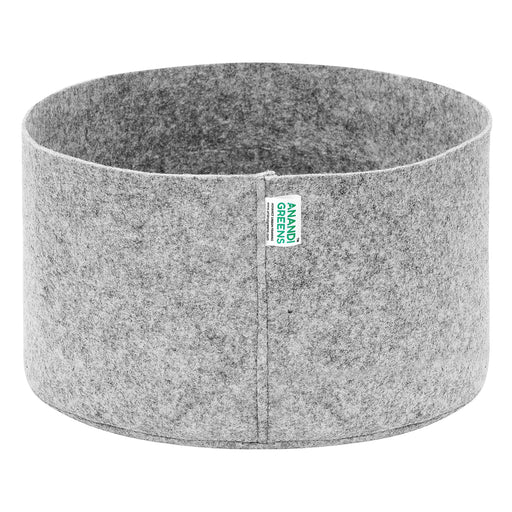
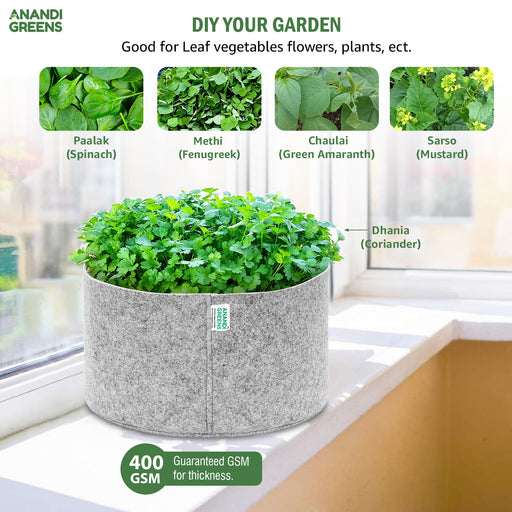
Each pack contains 10 g of seeds with a germination rate of about 50–70% under suitable conditions, and seedlings typically emerge in about 2–4 weeks (14–30 days). Rated easy to moderate to raise from seed, Pride of India (Queen's Crape Myrtle) responds best when you use fresh seeds, sow shallowly and maintain consistent moisture without waterlogging. Start seeds in nursery trays or Geo Fabric Circular Grow Bags filled with a light, well-draining mix, then shift healthy seedlings to a spot with full sun and fertile, moist but well-drained loamy soil (pH 5.5–7.5). A Small Stainless Steel Trowel makes lifting and transplanting young seedlings easy without disturbing the roots.

The ideal sowing window in India is February–September, during the spring to monsoon window, when warm 20–35°C temperatures support quick, even germination. Pride of India (Queen's Crape Myrtle) suits urban planting, avenue and roadside planting, landscaping, agroforestry and farm and boundary planting across tropical & subtropical zones. Traditional uses are reported; seeds sold for planting purposes. Timber value is rated moderate. Planning a mixed landscape? Pair it with our Bauhinia Purpurea (Orchid Tree Seeds) for a varied, resilient planting.

Beyond its beauty, Pride of India (Queen's Crape Myrtle) provides shade, tree cover, floral resources and habitat, has carbon sequestration potential rated moderate, and provides floral resources and tree habitat. Growing from seed is the most economical way to establish several saplings at once, and it lets the young tree adapt to your local soil and climate from day one — ideal for home gardeners, farm owners, schools, CSR plantation drives and landscape projects.

How to Grow Pride of India (Queen's Crape Myrtle) from Seed

Pride of India (Queen's Crape Myrtle) Sowing Season in India

Sow in the spring to monsoon window, ideally February–September, at 20–35°C. Avoid cold winter sowing, when germination slows sharply. Suits tropical & subtropical climates up to 1,200 m.

Seed Preparation

Use fresh seeds, sow shallowly and maintain consistent moisture without waterlogging. Discard shrivelled or hollow seeds. Regional guidance: ICFRE.

Sowing Pride of India (Queen's Crape Myrtle) Seeds

  • Method: Nursery / Seed Tray / Polybag Sowing; direct sowing: possible; nursery sowing preferred
  • Mix: garden soil, cocopeat and compost, well-drained
  • Depth: cover with a thin layer, about twice the seed's thickness
  • Germination: about 2–4 weeks (14–30 days)
  • Keep warm and evenly moist; mist with a 1 L Spray Pump

Transplanting and Spacing

Transplant established seedlings carefully into a sunny, well-drained location after sufficient root development. Spacing: about 5–8 m (mature spread about 6–12 m). Containers: suitable when young; not ideal as a permanent container tree.

Ongoing Care

Give full sun and moderate water using a Watering Can. Tolerance: drought moderate once established, frost low and waterlogging low to moderate; shield seedlings from frost and standing water in year one. Growth rate is moderate; feed with compost or bio-fertilisers each monsoon.

Where to Plant Pride of India (Queen's Crape Myrtle)

Best for urban planting, avenue and roadside planting, landscaping, agroforestry and farm and boundary planting. Zones: tropical & subtropical zones. States: Madhya Pradesh, Maharashtra, West Bengal, Odisha, Assam, Bihar and other warm regions.

Common Problems

Poor germination from old seeds, overwatering, fungal problems, poor drainage and insufficient sunlight. Good drainage and avoiding overwatering prevent most seedling losses.

Common Name: Pride of India / Queen’s Crape Myrtle / Queen’s Flower / Banaba

Botanical Name: Lagerstroemia speciosa (L.) Pers.

Plant Family: Lythraceae

Genus: Lagerstroemia

Tree Type: Ornamental Flowering / Avenue Tree

Growth Form: Tree

Evergreen / Deciduous: Deciduous

Native Region: Indian Subcontinent & Southeast Asia

Native / Introduced: Native to parts of Tropical Asia

Seed Type: Ornamental Flowering Tree Seeds

Pack Size: 10 g

Germination Rate: Approx. 50–70% under suitable conditions

Germination Time: Approx. 2–4 Weeks

Planting Season: Spring to Monsoon / Warm Season

Best Sowing Months (India): February–September

Expected Mature Height: Approx. 10–20 m

Expected Mature Spread: Approx. 6–12 m

Canopy Type: Rounded / Broad Spreading Canopy

Root Type: Woody Tree Root System

Tree Growth Rate: Moderate

Timber Value: Moderate

Fruit / Seed Use: Primarily for propagation

Seed Shelf Life: Approx. 6–12 Months under suitable storage

Country of Origin: India

Sunlight: Full Sun

Water Requirement: Moderate

Soil Type: Fertile, moist but well-drained loamy soil

Soil pH: Approx. 5.5–7.5

Temperature Range: Approx. 20–35°C

Suitable Climate: Tropical & Subtropical

Rainfall Requirement: Moderate to High

Altitude Range: Approx. 0–1,200 m

Drought Tolerance: Moderate once established

Frost Tolerance: Low

Wind Tolerance: Moderate

Shade Tolerance: Low to Moderate

Waterlogging Tolerance: Low to Moderate

Plant Spacing: Approx. 5–8 m

Nursery Suitable: Yes

Direct Sowing: Possible; nursery sowing preferred

Container Suitable: Suitable when young; not ideal as a permanent container tree

Bonsai Suitable: Possible

Urban Planting: Yes

Roadside Planting: Yes

Landscaping: Yes

Agroforestry: Potentially Suitable

Pollinator Friendly: Yes

Bird Friendly: Yes

Carbon Sequestration: Moderate

Erosion Control: Moderate

Growing Difficulty: Easy to Moderate

Seed Storage: Store clean, dry seeds in a cool and dry place protected from moisture and direct sunlight

How long do Pride of India (Queen's Crape Myrtle) seeds take to germinate?

Pride of India (Queen's Crape Myrtle) seeds typically germinate in about 2–4 weeks (14–30 days) under warm, moist conditions. Use fresh seeds, sow shallowly and maintain consistent moisture without waterlogging.

When is the best time to sow Pride of India (Queen's Crape Myrtle) seeds in India?

The best sowing months for Pride of India (Queen's Crape Myrtle) in India are February–September, during the spring to monsoon window. Warm temperatures of 20–35°C give the fastest, most even germination.

How tall does the Pride of India (Queen's Crape Myrtle) grow?

Pride of India (Queen's Crape Myrtle) reaches about 10–20 m at maturity with a spread of about 6–12 m. Its growth rate is moderate, so plan spacing of about 5–8 m from the start.

Is Pride of India (Queen's Crape Myrtle) evergreen or deciduous?

Pride of India (Queen's Crape Myrtle) is deciduous. Native to parts of Tropical Asia.

How much sunlight does Pride of India (Queen's Crape Myrtle) need?

Pride of India (Queen's Crape Myrtle) grows best in full sun. Shade tolerance is low to moderate, so choose an open, sunny position for strong, healthy growth.

Can Pride of India (Queen's Crape Myrtle) be grown in a pot or container?

Suitable when young; not ideal as a permanent container tree. Bonsai suitability: possible. Use a deep grow bag for the nursery stage and move the plant to open ground once it is established.

How do I prepare Pride of India (Queen's Crape Myrtle) seeds before sowing?

Use fresh seeds, sow shallowly and maintain consistent moisture without waterlogging. Sow in a light, well-draining mix and keep it evenly moist but never waterlogged until seedlings appear.

Where should I plant the Pride of India (Queen's Crape Myrtle)?

Pride of India (Queen's Crape Myrtle) is suited to urban planting, avenue and roadside planting, landscaping, agroforestry and farm and boundary planting. Give it fertile, moist but well-drained loamy soil with pH 5.5–7.5 and keep it away from walls and underground pipes so the woody tree root system can spread freely.

What are the environmental benefits of planting Pride of India (Queen's Crape Myrtle)?

Pride of India (Queen's Crape Myrtle) provides shade, tree cover, floral resources and habitat. Its carbon sequestration potential is rated moderate; it is pollinator-friendly and bird-friendly, and offers moderate erosion control.

How should I store Pride of India (Queen's Crape Myrtle) seeds before sowing?

Store clean, dry seeds in a cool and dry place protected from moisture and direct sunlight. Stored this way, seeds stay viable for about 6–12 months under suitable storage, though fresh seeds always give the best germination.

Why are my Pride of India (Queen's Crape Myrtle) seeds not germinating?

Common causes are poor germination from old seeds, overwatering, fungal problems, poor drainage and insufficient sunlight. Use fresh seeds, sow shallowly and maintain consistent moisture without waterlogging. Keep the medium warm and evenly moist, and confirm you are sowing within the February–September window.

Why is Pride of India (Queen's Crape Myrtle) germination slow or uneven?

Pride of India (Queen's Crape Myrtle) naturally germinates over about 2–4 weeks, and individual seeds can sprout weeks apart. Do not discard the tray early — keep it moist and warm and late seedlings will continue to emerge.

Why are my Pride of India (Queen's Crape Myrtle) seedlings rotting at the base?

This is usually damping-off caused by excess moisture and poor drainage. Use a free-draining mix, water only when the surface starts to dry, and keep seedlings in bright light with good airflow.

When should I transplant Pride of India (Queen's Crape Myrtle) seedlings?

Transplant established seedlings carefully into a sunny, well-drained location after sufficient root development. Harden seedlings off in partial sun for a week before moving them to their final position, and transplant in the cool of the evening to reduce shock.

Can I sow Pride of India (Queen's Crape Myrtle) seeds directly in the ground?

Possible; nursery sowing preferred. Nursery sowing gives you better control over moisture, protection from birds and pests, and a higher survival rate.

How often should I water a young Pride of India (Queen's Crape Myrtle) sapling?

Pride of India (Queen's Crape Myrtle) has moderate water needs. Water young plants when the top 2–3 cm of soil feels dry; waterlogging tolerance is low to moderate, so never let water stand around the roots.

Can Pride of India (Queen's Crape Myrtle) survive drought and frost?

Drought tolerance is moderate once established and frost tolerance is low. Mulch young plants in summer and cover or shelter them during cold nights in their first year.

What pests and diseases affect Pride of India (Queen's Crape Myrtle)?

Pest resistance is moderate and disease resistance is moderate under suitable growing conditions. Most problems at the seedling stage come from fungal rot due to overwatering; inspect leaves regularly and use a neem-based spray at the first sign of pests.

How much space does the Pride of India (Queen's Crape Myrtle) need?

Allow about 5–8 m between plants. At maturity Pride of India (Queen's Crape Myrtle) reaches about 10–20 m and spreads about 6–12 m, so plant it well away from buildings, compound walls and overhead lines.

How fast does Pride of India (Queen's Crape Myrtle) grow from seed?

Pride of India (Queen's Crape Myrtle) has a moderate growth rate. With regular watering, full sun and annual feeding, seedlings establish within the first season and put on steady growth in the monsoon months that follow.

Refund Policy

This refund policy states that once an order has been delivered to and accepted by the customer, it cannot be refunded. However, if the customer believes that the order does not meet the specified requirements, they are required to contact the customer care team within 24 hours of receiving the order.

Here's a breakdown of the key points in this refund policy:

  • Orders Delivered and Accepted: Once a customer has received and accepted their order, they are not eligible for a refund.
  • Discrepancies in Order: If the customer believes that the order does not meet the specified requirements or is not as expected, they have a 24-hour window to contact the customer care team.

It's important for customers to read and understand the refund policy to know their rights and responsibilities when it comes to requesting refunds or addressing issues with their orders.

Cancellation Policy

This cancellation policy outlines the conditions under which customers can cancel their orders with Anandi Green's. Here are the key points of this policy:

  1. Cancellation Timeframe: Customers can request a cancellation within 24 hours of placing an order. Cancellation requests made after this time period may not be entertained.
  2. Exclusions for Cancellation: Orders cannot be canceled if they have already been communicated to the vendors/merchants, and the shipping process has been initiated. Additionally, there is no cancellation allowed for orders placed under the Same Day Delivery category.
  3. Special Occasion Products: Orders for products obtained by Anandi Green's marketing team on special occasions like Pongal, Diwali, Valentine's Day, etc., cannot be canceled. These are considered limited occasion offers.
  4. Damaged or Defective Items: If customers receive damaged or defective consumer durable or nondurable items, they should report the issue to the Customer Service team within 1 day of receipt. The request will be entertained after the merchant has checked and confirmed the issue.
  5. Product Not as Expected: If a customer receives a product that does not meet their expectations or does not match what was shown on the website, they must inform the customer service team within 24 hours of receiving the product. The Customer Service Team will review the complaint and make an appropriate decision.

Delivery and Shipping Policy

We have partnered with several logistics for our Domestic Shipments. Normal delivery and shipping estimate for all the domestic shipments are between 5 to 7 business days, delays might occur in some unavoidable circumstances .

Mandatory Unboxing Video for Claims.

For missing items or damaged products, claiming resolution requires the customer to provide a clear and uninterrupted unboxing video.

OTP Verified Delivery Protocol.

Delivery OTP should be provided only when the delivery agent is physically present at the doorstep. Any OTP shared over a call before product arrival will result in cancellation or rescheduling of the delivery.

Description▼

Pride of India (Queen's Crape Myrtle) — also known as Queen’s Crape Myrtle, Queen’s Flower or Banaba — is an ornamental flowering / avenue tree from the Lythraceae family, native to the Indian Subcontinent & Southeast Asia. Raised from these Lagerstroemia speciosa seeds, it grows into a deciduous tree reaching about 10–20 m with a rounded / broad spreading canopy and a spread of about 6–12 m. These are natural, untreated ornamental flowering tree seeds suitable for landscaping, avenue, garden and boundary planting. Its blooms in shades of purple and lilac-purple to pinkish-purple flowers make it a standout garden tree wherever it is planted.

Each pack contains 10 g of seeds with a germination rate of about 50–70% under suitable conditions, and seedlings typically emerge in about 2–4 weeks (14–30 days). Rated easy to moderate to raise from seed, Pride of India (Queen's Crape Myrtle) responds best when you use fresh seeds, sow shallowly and maintain consistent moisture without waterlogging. Start seeds in nursery trays or Geo Fabric Circular Grow Bags filled with a light, well-draining mix, then shift healthy seedlings to a spot with full sun and fertile, moist but well-drained loamy soil (pH 5.5–7.5). A Small Stainless Steel Trowel makes lifting and transplanting young seedlings easy without disturbing the roots.

The ideal sowing window in India is February–September, during the spring to monsoon window, when warm 20–35°C temperatures support quick, even germination. Pride of India (Queen's Crape Myrtle) suits urban planting, avenue and roadside planting, landscaping, agroforestry and farm and boundary planting across tropical & subtropical zones. Traditional uses are reported; seeds sold for planting purposes. Timber value is rated moderate. Planning a mixed landscape? Pair it with our Bauhinia Purpurea (Orchid Tree Seeds) for a varied, resilient planting.

Beyond its beauty, Pride of India (Queen's Crape Myrtle) provides shade, tree cover, floral resources and habitat, has carbon sequestration potential rated moderate, and provides floral resources and tree habitat. Growing from seed is the most economical way to establish several saplings at once, and it lets the young tree adapt to your local soil and climate from day one — ideal for home gardeners, farm owners, schools, CSR plantation drives and landscape projects.

How to grow▼

How to Grow Pride of India (Queen's Crape Myrtle) from Seed

Pride of India (Queen's Crape Myrtle) Sowing Season in India

Sow in the spring to monsoon window, ideally February–September, at 20–35°C. Avoid cold winter sowing, when germination slows sharply. Suits tropical & subtropical climates up to 1,200 m.

Seed Preparation

Use fresh seeds, sow shallowly and maintain consistent moisture without waterlogging. Discard shrivelled or hollow seeds. Regional guidance: ICFRE.

Sowing Pride of India (Queen's Crape Myrtle) Seeds

  • Method: Nursery / Seed Tray / Polybag Sowing; direct sowing: possible; nursery sowing preferred
  • Mix: garden soil, cocopeat and compost, well-drained
  • Depth: cover with a thin layer, about twice the seed's thickness
  • Germination: about 2–4 weeks (14–30 days)
  • Keep warm and evenly moist; mist with a 1 L Spray Pump

Transplanting and Spacing

Transplant established seedlings carefully into a sunny, well-drained location after sufficient root development. Spacing: about 5–8 m (mature spread about 6–12 m). Containers: suitable when young; not ideal as a permanent container tree.

Ongoing Care

Give full sun and moderate water using a Watering Can. Tolerance: drought moderate once established, frost low and waterlogging low to moderate; shield seedlings from frost and standing water in year one. Growth rate is moderate; feed with compost or bio-fertilisers each monsoon.

Where to Plant Pride of India (Queen's Crape Myrtle)

Best for urban planting, avenue and roadside planting, landscaping, agroforestry and farm and boundary planting. Zones: tropical & subtropical zones. States: Madhya Pradesh, Maharashtra, West Bengal, Odisha, Assam, Bihar and other warm regions.

Common Problems

Poor germination from old seeds, overwatering, fungal problems, poor drainage and insufficient sunlight. Good drainage and avoiding overwatering prevent most seedling losses.

Technical Details▼

Common Name: Pride of India / Queen’s Crape Myrtle / Queen’s Flower / Banaba

Botanical Name: Lagerstroemia speciosa (L.) Pers.

Plant Family: Lythraceae

Genus: Lagerstroemia

Tree Type: Ornamental Flowering / Avenue Tree

Growth Form: Tree

Evergreen / Deciduous: Deciduous

Native Region: Indian Subcontinent & Southeast Asia

Native / Introduced: Native to parts of Tropical Asia

Seed Type: Ornamental Flowering Tree Seeds

Pack Size: 10 g

Germination Rate: Approx. 50–70% under suitable conditions

Germination Time: Approx. 2–4 Weeks

Planting Season: Spring to Monsoon / Warm Season

Best Sowing Months (India): February–September

Expected Mature Height: Approx. 10–20 m

Expected Mature Spread: Approx. 6–12 m

Canopy Type: Rounded / Broad Spreading Canopy

Root Type: Woody Tree Root System

Tree Growth Rate: Moderate

Timber Value: Moderate

Fruit / Seed Use: Primarily for propagation

Seed Shelf Life: Approx. 6–12 Months under suitable storage

Country of Origin: India

Growing Conditions▼

Sunlight: Full Sun

Water Requirement: Moderate

Soil Type: Fertile, moist but well-drained loamy soil

Soil pH: Approx. 5.5–7.5

Temperature Range: Approx. 20–35°C

Suitable Climate: Tropical & Subtropical

Rainfall Requirement: Moderate to High

Altitude Range: Approx. 0–1,200 m

Drought Tolerance: Moderate once established

Frost Tolerance: Low

Wind Tolerance: Moderate

Shade Tolerance: Low to Moderate

Waterlogging Tolerance: Low to Moderate

Plant Spacing: Approx. 5–8 m

Nursery Suitable: Yes

Direct Sowing: Possible; nursery sowing preferred

Container Suitable: Suitable when young; not ideal as a permanent container tree

Bonsai Suitable: Possible

Urban Planting: Yes

Roadside Planting: Yes

Landscaping: Yes

Agroforestry: Potentially Suitable

Pollinator Friendly: Yes

Bird Friendly: Yes

Carbon Sequestration: Moderate

Erosion Control: Moderate

Growing Difficulty: Easy to Moderate

Seed Storage: Store clean, dry seeds in a cool and dry place protected from moisture and direct sunlight

FAQ's▼
How long do Pride of India (Queen's Crape Myrtle) seeds take to germinate?

Pride of India (Queen's Crape Myrtle) seeds typically germinate in about 2–4 weeks (14–30 days) under warm, moist conditions. Use fresh seeds, sow shallowly and maintain consistent moisture without waterlogging.

When is the best time to sow Pride of India (Queen's Crape Myrtle) seeds in India?

The best sowing months for Pride of India (Queen's Crape Myrtle) in India are February–September, during the spring to monsoon window. Warm temperatures of 20–35°C give the fastest, most even germination.

How tall does the Pride of India (Queen's Crape Myrtle) grow?

Pride of India (Queen's Crape Myrtle) reaches about 10–20 m at maturity with a spread of about 6–12 m. Its growth rate is moderate, so plan spacing of about 5–8 m from the start.

Is Pride of India (Queen's Crape Myrtle) evergreen or deciduous?

Pride of India (Queen's Crape Myrtle) is deciduous. Native to parts of Tropical Asia.

How much sunlight does Pride of India (Queen's Crape Myrtle) need?

Pride of India (Queen's Crape Myrtle) grows best in full sun. Shade tolerance is low to moderate, so choose an open, sunny position for strong, healthy growth.

Can Pride of India (Queen's Crape Myrtle) be grown in a pot or container?

Suitable when young; not ideal as a permanent container tree. Bonsai suitability: possible. Use a deep grow bag for the nursery stage and move the plant to open ground once it is established.

How do I prepare Pride of India (Queen's Crape Myrtle) seeds before sowing?

Use fresh seeds, sow shallowly and maintain consistent moisture without waterlogging. Sow in a light, well-draining mix and keep it evenly moist but never waterlogged until seedlings appear.

Where should I plant the Pride of India (Queen's Crape Myrtle)?

Pride of India (Queen's Crape Myrtle) is suited to urban planting, avenue and roadside planting, landscaping, agroforestry and farm and boundary planting. Give it fertile, moist but well-drained loamy soil with pH 5.5–7.5 and keep it away from walls and underground pipes so the woody tree root system can spread freely.

What are the environmental benefits of planting Pride of India (Queen's Crape Myrtle)?

Pride of India (Queen's Crape Myrtle) provides shade, tree cover, floral resources and habitat. Its carbon sequestration potential is rated moderate; it is pollinator-friendly and bird-friendly, and offers moderate erosion control.

How should I store Pride of India (Queen's Crape Myrtle) seeds before sowing?

Store clean, dry seeds in a cool and dry place protected from moisture and direct sunlight. Stored this way, seeds stay viable for about 6–12 months under suitable storage, though fresh seeds always give the best germination.

Common Questions & Troubleshooting▼
Why are my Pride of India (Queen's Crape Myrtle) seeds not germinating?

Common causes are poor germination from old seeds, overwatering, fungal problems, poor drainage and insufficient sunlight. Use fresh seeds, sow shallowly and maintain consistent moisture without waterlogging. Keep the medium warm and evenly moist, and confirm you are sowing within the February–September window.

Why is Pride of India (Queen's Crape Myrtle) germination slow or uneven?

Pride of India (Queen's Crape Myrtle) naturally germinates over about 2–4 weeks, and individual seeds can sprout weeks apart. Do not discard the tray early — keep it moist and warm and late seedlings will continue to emerge.

Why are my Pride of India (Queen's Crape Myrtle) seedlings rotting at the base?

This is usually damping-off caused by excess moisture and poor drainage. Use a free-draining mix, water only when the surface starts to dry, and keep seedlings in bright light with good airflow.

When should I transplant Pride of India (Queen's Crape Myrtle) seedlings?

Transplant established seedlings carefully into a sunny, well-drained location after sufficient root development. Harden seedlings off in partial sun for a week before moving them to their final position, and transplant in the cool of the evening to reduce shock.

Can I sow Pride of India (Queen's Crape Myrtle) seeds directly in the ground?

Possible; nursery sowing preferred. Nursery sowing gives you better control over moisture, protection from birds and pests, and a higher survival rate.

How often should I water a young Pride of India (Queen's Crape Myrtle) sapling?

Pride of India (Queen's Crape Myrtle) has moderate water needs. Water young plants when the top 2–3 cm of soil feels dry; waterlogging tolerance is low to moderate, so never let water stand around the roots.

Can Pride of India (Queen's Crape Myrtle) survive drought and frost?

Drought tolerance is moderate once established and frost tolerance is low. Mulch young plants in summer and cover or shelter them during cold nights in their first year.

What pests and diseases affect Pride of India (Queen's Crape Myrtle)?

Pest resistance is moderate and disease resistance is moderate under suitable growing conditions. Most problems at the seedling stage come from fungal rot due to overwatering; inspect leaves regularly and use a neem-based spray at the first sign of pests.

How much space does the Pride of India (Queen's Crape Myrtle) need?

Allow about 5–8 m between plants. At maturity Pride of India (Queen's Crape Myrtle) reaches about 10–20 m and spreads about 6–12 m, so plant it well away from buildings, compound walls and overhead lines.

How fast does Pride of India (Queen's Crape Myrtle) grow from seed?

Pride of India (Queen's Crape Myrtle) has a moderate growth rate. With regular watering, full sun and annual feeding, seedlings establish within the first season and put on steady growth in the monsoon months that follow.

Shipping & Return▼

Refund Policy

This refund policy states that once an order has been delivered to and accepted by the customer, it cannot be refunded. However, if the customer believes that the order does not meet the specified requirements, they are required to contact the customer care team within 24 hours of receiving the order.

Here's a breakdown of the key points in this refund policy:

  • Orders Delivered and Accepted: Once a customer has received and accepted their order, they are not eligible for a refund.
  • Discrepancies in Order: If the customer believes that the order does not meet the specified requirements or is not as expected, they have a 24-hour window to contact the customer care team.

It's important for customers to read and understand the refund policy to know their rights and responsibilities when it comes to requesting refunds or addressing issues with their orders.

Cancellation Policy

This cancellation policy outlines the conditions under which customers can cancel their orders with Anandi Green's. Here are the key points of this policy:

  1. Cancellation Timeframe: Customers can request a cancellation within 24 hours of placing an order. Cancellation requests made after this time period may not be entertained.
  2. Exclusions for Cancellation: Orders cannot be canceled if they have already been communicated to the vendors/merchants, and the shipping process has been initiated. Additionally, there is no cancellation allowed for orders placed under the Same Day Delivery category.
  3. Special Occasion Products: Orders for products obtained by Anandi Green's marketing team on special occasions like Pongal, Diwali, Valentine's Day, etc., cannot be canceled. These are considered limited occasion offers.
  4. Damaged or Defective Items: If customers receive damaged or defective consumer durable or nondurable items, they should report the issue to the Customer Service team within 1 day of receipt. The request will be entertained after the merchant has checked and confirmed the issue.
  5. Product Not as Expected: If a customer receives a product that does not meet their expectations or does not match what was shown on the website, they must inform the customer service team within 24 hours of receiving the product. The Customer Service Team will review the complaint and make an appropriate decision.

Delivery and Shipping Policy

We have partnered with several logistics for our Domestic Shipments. Normal delivery and shipping estimate for all the domestic shipments are between 5 to 7 business days, delays might occur in some unavoidable circumstances .

Mandatory Unboxing Video for Claims.

For missing items or damaged products, claiming resolution requires the customer to provide a clear and uninterrupted unboxing video.

OTP Verified Delivery Protocol.

Delivery OTP should be provided only when the delivery agent is physically present at the doorstep. Any OTP shared over a call before product arrival will result in cancellation or rescheduling of the delivery.

Why Choose Us

See How We Compare

An honest side-by-side look at everything that matters.

Features

Lagerstroemia Speciosa (Pride of India | Queen's Crape Myrtle Seeds)

View Product

Bauhinia Purpurea (Orchid Tree Seeds)

View Product

Cassia Fistula (Golden Shower Tree Seeds)

View Product

Tabebuia Rosea (Marathi Gulabi | Pink Trumpet Tree Seeds)

View Product
Tree Type

Ornamental Flowering Tree

Ornamental / Tropical Flowering Tree

Ornamental Flowering Tree

Evergreen / Deciduous

Deciduous to Semi-Deciduous

Deciduous to Semi-Deciduous

Deciduous to Semi-Deciduous

Expected Mature Height

6–12 m

10–20 m

15–25 m

Growth Rate

Moderate to Fast

Moderate

Moderate

Pack Size

10 g

5 g

10 g

Germination Time

1–3 Weeks

2–4 Weeks

1–3 Weeks

Best Sowing Months (India)

February–September

February–September

February–September

Sunlight Requirement

Full Sun to Partial Sun

Full Sun

Full Sun

Water Requirement

Moderate

Moderate

Moderate

Choose your Grow Bag Easily!