इसे छोड़कर सामग्री पर बढ़ने के लिए
449 रुपये से ऊपर की खरीद पर मुफ़्त डिलीवरी | सीज़न सेल शुरू! | 60% तक की छूट | कैश ऑन डिलीवरी उपलब्ध!

चुकन्दर के बीज

Anandi Green's द्वारा

Get 5% Off Use this Coupon WELCOME05
*Valid on orders above ₹299
*Only one discount can be applied at a time. Stacking is not permitted.
66% बचाए 66% बचाए
मूल कीमत ₹ 149
मूल कीमत ₹ 149 - मूल कीमत ₹ 149
मूल कीमत ₹ 149
मौजूदा कीमत ₹ 50
₹ 50 - ₹ 50
मौजूदा कीमत ₹ 50
Fast Shipping

Fast Shipping

Secure Payment

Secure Payment

Satisfaction Guarantee

Satisfaction Guarantee

Value For Money

Value For Money

Description
How to grow
Technical Details
Growing Conditions
FAQ's
Common Questions & Troubleshooting
Shipping & Return

उत्पाद वर्णन:

हमारे प्रीमियम-क्वालिटी बीजों से ताजा और जीवंत चुकंदर उगाएँ। अपने गहरे लाल रंग और मीठे स्वाद के लिए जाने जाने वाले चुकंदर पोषक तत्वों से भरपूर होते हैं और सलाद, जूस और पारंपरिक व्यंजनों के लिए एकदम सही होते हैं। इन बीजों को विशेष रूप से उच्च उपज, त्वरित विकास और आम कीटों और बीमारियों के प्रतिरोध के लिए उगाया जाता है, जो उन्हें घरेलू माली के लिए एक उत्कृष्ट विकल्प बनाता है।

प्रमुख विशेषताऐं:

  • बीजों की संख्या : 100 प्रीमियम गुणवत्ता वाले बीज।
  • उगाने का स्थान : बाहरी उद्यानों, उभरी हुई क्यारियों और कंटेनरों के लिए उपयुक्त।
  • बुवाई का मौसम : ठंडे मौसम के दौरान बुवाई करना सबसे अच्छा होता है - वसंत, शुरुआती गर्मी या शरद ऋतु।
  • अंकुरण समय : 5 से 10 दिन.
  • कटाई का समय : बुवाई के 50 से 70 दिन बाद।
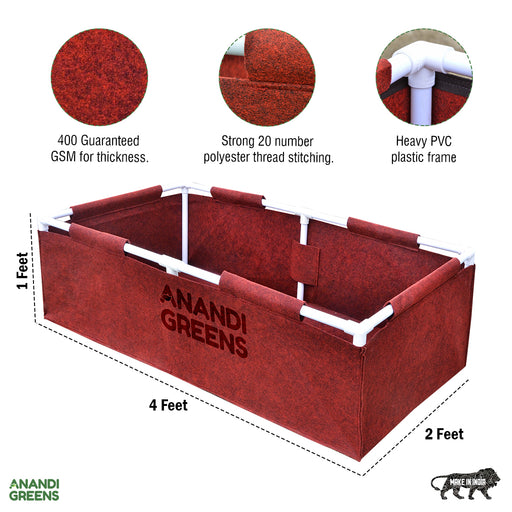
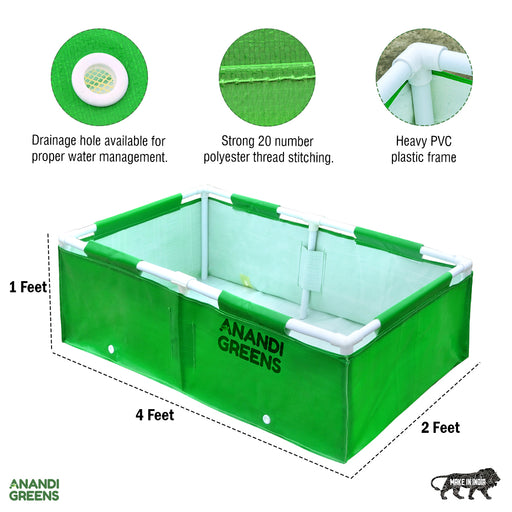
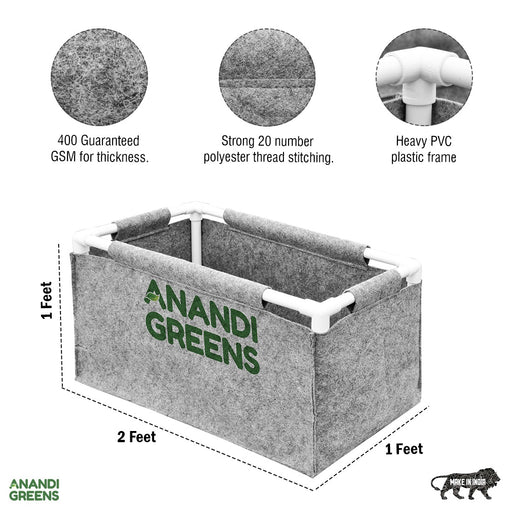
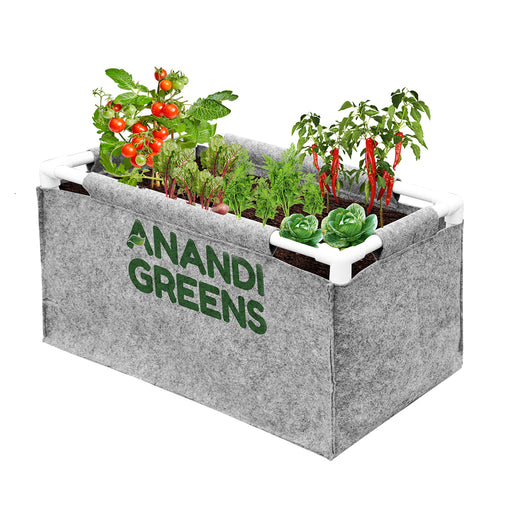
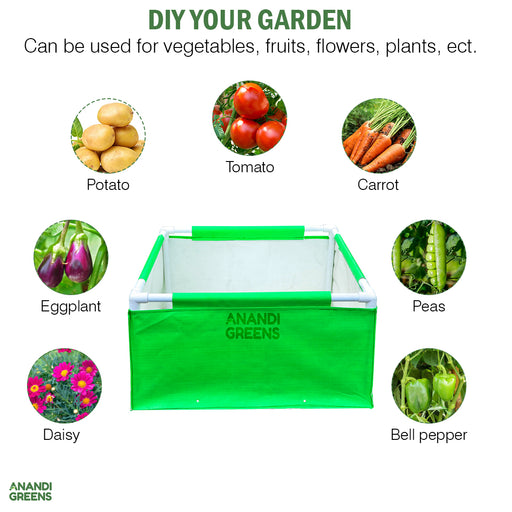
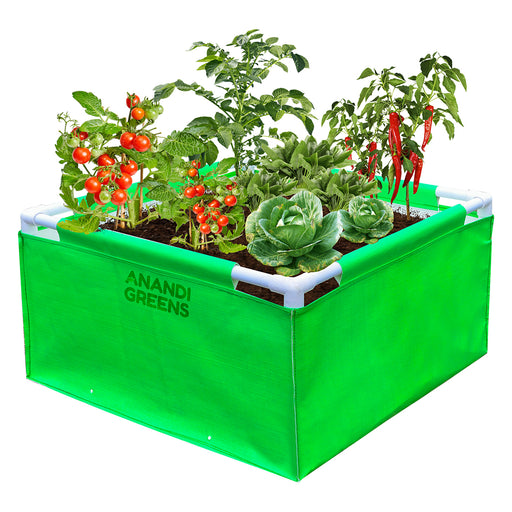
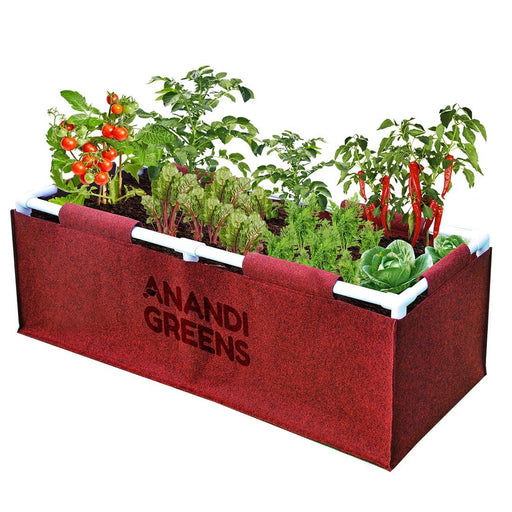
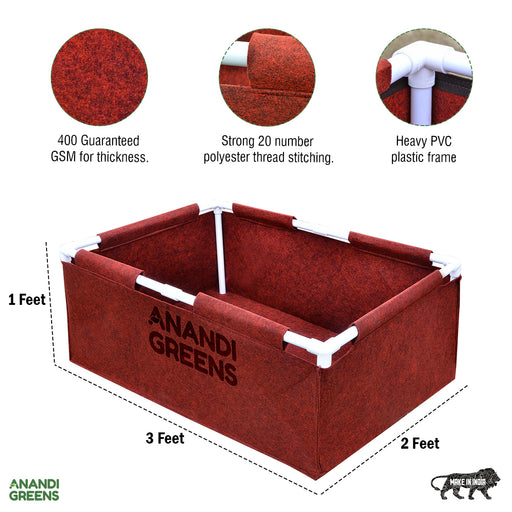
  • इष्टतम ग्रो बैग आकार :
    • 12 x 12 (चौड़ाई*ऊंचाई)
    • 15 x 15 (चौड़ाई*ऊंचाई)

घर पर चुकंदर कैसे उगाएं:

  1. बीज बोना : बीज को सीधे ढीली, अच्छी जल निकासी वाली मिट्टी या उभरी हुई क्यारियों में बोएँ। बीजों को ½ इंच गहराई पर लगाएँ और उनके बीच 2-3 इंच की दूरी रखें।
  2. पतला करना : जब पौधे निकल आएं, तो जड़ों के समुचित विकास के लिए उन्हें पतला कर दें (पौधों के बीच 3-5 इंच की दूरी रखें)।
  3. उर्वरक : इष्टतम विकास के लिए हर 2-3 सप्ताह में जैविक खाद या कम नाइट्रोजन वाला उर्वरक डालें।

देखभाल संबंधी सुझाव:

  • पानी देना : मिट्टी को नम बनाए रखने के लिए लगातार पानी दें, लेकिन अधिक पानी देने से बचें।
  • मिट्टी : 6.0-7.0 पीएच वाली ढीली, उपजाऊ मिट्टी पसंद की जाती है।
  • सूर्य का प्रकाश : पूर्ण सूर्य से लेकर आंशिक छाया की आवश्यकता होती है, जिसमें प्रतिदिन कम से कम 4-6 घंटे सूर्य का प्रकाश शामिल हो।
  • तापमान : ठण्डे मौसम में पनपता है, आदर्शतः 15-25°C के बीच।
  • कीट प्रबंधन : पत्ती खनिक और एफिड्स जैसे सामान्य कीटों को नीम के तेल या जैविक स्प्रे से नियंत्रित किया जा सकता है।

कटाई:

चुकंदर की फसल बोने के 50-70 दिन बाद कटाई के लिए तैयार हो जाती है, जब जड़ें लगभग 2-3 इंच व्यास की हो जाती हैं। नुकसान से बचने के लिए उन्हें धीरे से मिट्टी से ऊपर से खींचकर बाहर निकालें या उनके आस-पास की मिट्टी को ढीला करें।

आपको क्यों खरीदना चाहिए:

  • उच्च उपज : ताजा और मीठे चुकंदर की प्रचुर मात्रा में फसल प्राप्त करें।
  • पोषक तत्वों से भरपूर : विटामिन, आयरन और एंटीऑक्सीडेंट से भरपूर।
  • रोग प्रतिरोधी : सामान्य कीटों और रोगों का प्रतिरोध करने के लिए विशेष रूप से विकसित।
  • उगाने में आसान : सभी अनुभव स्तरों के बागवानों के लिए उपयुक्त।
  • बहुमुखी उपयोग : सलाद, जूस, सूप और भारतीय व्यंजनों के लिए आदर्श।

विशेष लक्षण:

  • सामान्य नाम : चुकंदर, चुकन्दर
  • वैज्ञानिक नाम : बीटा वल्गेरिस
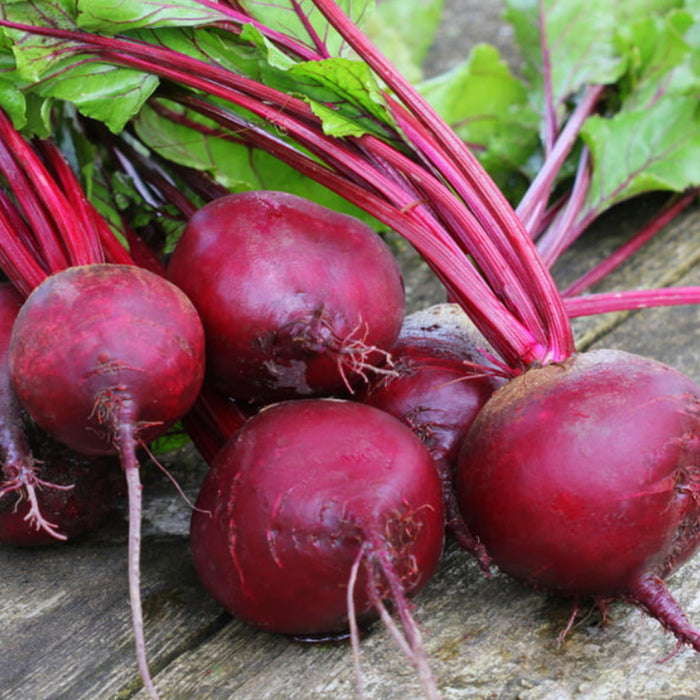
  • जड़ का रंग : गहरा लाल
  • पत्ती का रंग : लाल रंग की नसों के साथ हरा

अक्सर पूछे जाने वाले प्रश्न:

  • मेरे चुकंदर के बीज अंकुरित क्यों नहीं हो रहे हैं? सुनिश्चित करें कि मिट्टी लगातार नम, अच्छी तरह से सूखा और सही तापमान (15-25 डिग्री सेल्सियस) पर हो।
  • मेरी चुकंदर की जड़ें छोटी या टेढ़ी क्यों हैं? मिट्टी का अधिक जमाव या मिट्टी का जमाव जड़ों के विकास में बाधा डाल सकता है। बेहतर परिणामों के लिए पौधों को पतला करें और मिट्टी को ढीला करें।

नोट : छवियाँ केवल संदर्भ के लिए हैं। वास्तविक उत्पाद जलवायु, आयु और मिट्टी की स्थिति के आधार पर आकार या उपस्थिति में भिन्न हो सकता है।

How to Grow Red Beetroot (Chukandar)

Beetroot Growing Season in India

Beetroot grows best in India during Autumn and Winter, with the ideal sowing window falling between September and February. Cool 10–25°C temperatures produce the sweetest, most tender roots.

How to Grow Beetroot in Containers

Beetroot must be direct sown, since transplanting disturbs the developing root. - Use a container at least 20–25 cm deep with loose, well-drained soil - Sow seeds 1–2 cm deep, spacing them 8–10 cm apart - Rows should be 30–45 cm apart in garden beds

Sowing and Germination

Sow seeds directly into loose, moist soil. Germination takes 5–10 days. Each Beetroot "seed" is actually a small seed cluster, so you may see multiple seedlings emerge close together and need thinning. For India-specific sowing calendars, ICAR's state agricultural university network publishes regional guidance.

Ongoing Care

Thin seedlings after germination to maintain proper spacing, since overcrowded Beetroot produces small, misshapen roots. Water regularly to keep soil consistently moist — inconsistent watering is a leading cause of woody or cracked roots. Harvest once roots reach the desired size, typically 55–70 days after sowing.

Common Name: Red Beetroot (Chukandar)

Vegetable Type: Root Vegetable

Fruit Color: Deep Red

Plant Lifecycle: Annual

Seed Type: Open Pollinated

Germination Time: 5–10 Days

Days to Harvest: 55–70 Days

Sowing Season: Autumn, Winter

Best Sowing Months (India): September–February

Harvest Duration: 3–5 Weeks

Fruit Size: Medium

Plant Height: 30–45 cm

Growth Habit: Upright Rosette

Taste Profile: Sweet, Earthy

Genus: Beta

Scientific Name: Beta vulgaris

Plant Family: Amaranthaceae

Native Region: Mediterranean Region

Sunlight: Full Sun to Partial Sun

Water Requirement: Moderate

Soil pH: 6.0–7.5

Temperature Range: 10–25°C

Direct Sow / Transplant: Direct Sow

Plant Spacing: 8–10 cm

Row Spacing: 30–45 cm

Container Friendly: Yes

Beginner Friendly: Yes

Common Growing Problems: Leaf Miners, Aphids, Cercospora Leaf Spot, Poor Root Development in Compact Soil

Popular Uses: Salad, Juice, Soup, Curry, Pickles, Roasted Dishes

How long do Beetroot seeds take to germinate?

Beetroot seeds typically germinate in 5–10 days. Since each seed is actually a small cluster, several seedlings often emerge close together.

When should I sow Beetroot seeds in India?

The best sowing months for Beetroot in India are September to February, aligning with the Autumn and Winter growing season for the sweetest roots.

How long does Beetroot take to be ready for harvest?

From sowing, Beetroot takes 55–70 days to reach harvest-ready root size.

Can I transplant Beetroot seedlings?

No, Beetroot should be direct sown. Like Radish, transplanting disturbs the developing root and typically causes forking or stunted growth.

How much sunlight does Beetroot need?

Beetroot grows well in full sun to partial sun, making it somewhat more shade-tolerant than many root vegetables.

Is Beetroot suitable for pots and grow bags?

Yes, Beetroot grows well in deep containers at least 20–25 cm deep. Container depth matters more than width for straight root development.

Why do multiple Beetroot seedlings emerge from one spot?

This is normal — each Beetroot "seed" is actually a small seed cluster containing multiple embryos. Thin to the strongest seedling per spot once true leaves appear.

What soil pH does Beetroot prefer?

Beetroot grows best in soil with a pH range of 6.0–7.5. Very acidic soil can lead to poor root development and should be amended with compost.

What are good companion plants for Beetroot?

Beetroot grows well alongside Onion, Garlic, Lettuce, and Cabbage, all sharing a similar cool-season growing window.

Why does my Beetroot taste woody instead of sweet?

Woody texture usually means the root was left in the ground too long or grew under water stress. Harvest promptly once roots reach a medium size and keep watering consistent.

Can I sow Beetroot seeds directly in a container?

Yes, and this is the only recommended method — Beetroot should never be transplanted. Use a container at least 20–25 cm deep with loose soil, sowing seeds 1–2 cm deep.

What is the best time to sow Beetroot seeds in India?

The ideal sowing window is September to February, giving Beetroot the 10–25°C temperatures it needs for the sweetest flavor.

Why are my Beetroot seeds not germinating?

Common causes include soil that's too dry, seeds sown too deep, or old seed clusters. Keep soil consistently moist and sow no deeper than 1–2 cm.

Why are my Beetroot roots small despite healthy-looking leaves?

Small roots despite healthy foliage usually means overcrowding, since unthinned seedling clusters compete for space. Thin to one strong seedling every 8–10 cm soon after germination.

How do I control leaf miners on Beetroot?

Leaf miners create winding trails inside leaves. Remove and discard affected leaves promptly rather than composting them, since larvae can survive inside the leaf tissue.

Why do my Beetroot leaves have brown spots with light centers?

This is Cercospora leaf spot, a fungal disease favored by humid conditions. Remove affected leaves promptly and avoid overhead watering that wets foliage.

Can Beetroot be grown in partial shade?

Yes, Beetroot tolerates partial shade reasonably well, though full sun produces the fastest growth and largest roots.

How often should I water Beetroot?

Water regularly to keep soil consistently moist — Beetroot is sensitive to dry spells, which cause roots to crack or develop a woody texture.

Why are my Beetroot roots misshapen or forked?

Forked roots are usually caused by rocky or compacted soil, or disturbance during thinning. Use loose, well-drained soil and thin seedlings carefully by snipping rather than pulling.

Is it normal for Beetroot leaves to have reddish veins?

Yes, red-tinged veins and stems are a natural characteristic of Red Beetroot and not a sign of a problem — the leaves themselves are also edible and nutritious.

Refund Policy

This refund policy states that once an order has been delivered to and accepted by the customer, it cannot be refunded. However, if the customer believes that the order does not meet the specified requirements, they are required to contact the customer care team within 24 hours of receiving the order.

Here's a breakdown of the key points in this refund policy:

  • Orders Delivered and Accepted: Once a customer has received and accepted their order, they are not eligible for a refund.
  • Discrepancies in Order: If the customer believes that the order does not meet the specified requirements or is not as expected, they have a 24-hour window to contact the customer care team.

It's important for customers to read and understand the refund policy to know their rights and responsibilities when it comes to requesting refunds or addressing issues with their orders.

Cancellation Policy

This cancellation policy outlines the conditions under which customers can cancel their orders with Anandi Green's. Here are the key points of this policy:

  1. Cancellation Timeframe: Customers can request a cancellation within 24 hours of placing an order. Cancellation requests made after this time period may not be entertained.
  2. Exclusions for Cancellation: Orders cannot be canceled if they have already been communicated to the vendors/merchants, and the shipping process has been initiated. Additionally, there is no cancellation allowed for orders placed under the Same Day Delivery category.
  3. Special Occasion Products: Orders for products obtained by Anandi Green's marketing team on special occasions like Pongal, Diwali, Valentine's Day, etc., cannot be canceled. These are considered limited occasion offers.
  4. Damaged or Defective Items: If customers receive damaged or defective consumer durable or nondurable items, they should report the issue to the Customer Service team within 1 day of receipt. The request will be entertained after the merchant has checked and confirmed the issue.
  5. Product Not as Expected: If a customer receives a product that does not meet their expectations or does not match what was shown on the website, they must inform the customer service team within 24 hours of receiving the product. The Customer Service Team will review the complaint and make an appropriate decision.

Delivery and Shipping Policy

We have partnered with several logistics for our Domestic Shipments. Normal delivery and shipping estimate for all the domestic shipments are between 5 to 7 business days, delays might occur in some unavoidable circumstances .

Mandatory Unboxing Video for Claims.

For missing items or damaged products, claiming resolution requires the customer to provide a clear and uninterrupted unboxing video.

OTP Verified Delivery Protocol.

Delivery OTP should be provided only when the delivery agent is physically present at the doorstep. Any OTP shared over a call before product arrival will result in cancellation or rescheduling of the delivery.

Description

उत्पाद वर्णन:

हमारे प्रीमियम-क्वालिटी बीजों से ताजा और जीवंत चुकंदर उगाएँ। अपने गहरे लाल रंग और मीठे स्वाद के लिए जाने जाने वाले चुकंदर पोषक तत्वों से भरपूर होते हैं और सलाद, जूस और पारंपरिक व्यंजनों के लिए एकदम सही होते हैं। इन बीजों को विशेष रूप से उच्च उपज, त्वरित विकास और आम कीटों और बीमारियों के प्रतिरोध के लिए उगाया जाता है, जो उन्हें घरेलू माली के लिए एक उत्कृष्ट विकल्प बनाता है।

प्रमुख विशेषताऐं:

  • बीजों की संख्या : 100 प्रीमियम गुणवत्ता वाले बीज।
  • उगाने का स्थान : बाहरी उद्यानों, उभरी हुई क्यारियों और कंटेनरों के लिए उपयुक्त।
  • बुवाई का मौसम : ठंडे मौसम के दौरान बुवाई करना सबसे अच्छा होता है - वसंत, शुरुआती गर्मी या शरद ऋतु।
  • अंकुरण समय : 5 से 10 दिन.
  • कटाई का समय : बुवाई के 50 से 70 दिन बाद।
  • इष्टतम ग्रो बैग आकार :
    • 12 x 12 (चौड़ाई*ऊंचाई)
    • 15 x 15 (चौड़ाई*ऊंचाई)

घर पर चुकंदर कैसे उगाएं:

  1. बीज बोना : बीज को सीधे ढीली, अच्छी जल निकासी वाली मिट्टी या उभरी हुई क्यारियों में बोएँ। बीजों को ½ इंच गहराई पर लगाएँ और उनके बीच 2-3 इंच की दूरी रखें।
  2. पतला करना : जब पौधे निकल आएं, तो जड़ों के समुचित विकास के लिए उन्हें पतला कर दें (पौधों के बीच 3-5 इंच की दूरी रखें)।
  3. उर्वरक : इष्टतम विकास के लिए हर 2-3 सप्ताह में जैविक खाद या कम नाइट्रोजन वाला उर्वरक डालें।

देखभाल संबंधी सुझाव:

  • पानी देना : मिट्टी को नम बनाए रखने के लिए लगातार पानी दें, लेकिन अधिक पानी देने से बचें।
  • मिट्टी : 6.0-7.0 पीएच वाली ढीली, उपजाऊ मिट्टी पसंद की जाती है।
  • सूर्य का प्रकाश : पूर्ण सूर्य से लेकर आंशिक छाया की आवश्यकता होती है, जिसमें प्रतिदिन कम से कम 4-6 घंटे सूर्य का प्रकाश शामिल हो।
  • तापमान : ठण्डे मौसम में पनपता है, आदर्शतः 15-25°C के बीच।
  • कीट प्रबंधन : पत्ती खनिक और एफिड्स जैसे सामान्य कीटों को नीम के तेल या जैविक स्प्रे से नियंत्रित किया जा सकता है।

कटाई:

चुकंदर की फसल बोने के 50-70 दिन बाद कटाई के लिए तैयार हो जाती है, जब जड़ें लगभग 2-3 इंच व्यास की हो जाती हैं। नुकसान से बचने के लिए उन्हें धीरे से मिट्टी से ऊपर से खींचकर बाहर निकालें या उनके आस-पास की मिट्टी को ढीला करें।

आपको क्यों खरीदना चाहिए:

  • उच्च उपज : ताजा और मीठे चुकंदर की प्रचुर मात्रा में फसल प्राप्त करें।
  • पोषक तत्वों से भरपूर : विटामिन, आयरन और एंटीऑक्सीडेंट से भरपूर।
  • रोग प्रतिरोधी : सामान्य कीटों और रोगों का प्रतिरोध करने के लिए विशेष रूप से विकसित।
  • उगाने में आसान : सभी अनुभव स्तरों के बागवानों के लिए उपयुक्त।
  • बहुमुखी उपयोग : सलाद, जूस, सूप और भारतीय व्यंजनों के लिए आदर्श।

विशेष लक्षण:

  • सामान्य नाम : चुकंदर, चुकन्दर
  • वैज्ञानिक नाम : बीटा वल्गेरिस
  • जड़ का रंग : गहरा लाल
  • पत्ती का रंग : लाल रंग की नसों के साथ हरा

अक्सर पूछे जाने वाले प्रश्न:

  • मेरे चुकंदर के बीज अंकुरित क्यों नहीं हो रहे हैं? सुनिश्चित करें कि मिट्टी लगातार नम, अच्छी तरह से सूखा और सही तापमान (15-25 डिग्री सेल्सियस) पर हो।
  • मेरी चुकंदर की जड़ें छोटी या टेढ़ी क्यों हैं? मिट्टी का अधिक जमाव या मिट्टी का जमाव जड़ों के विकास में बाधा डाल सकता है। बेहतर परिणामों के लिए पौधों को पतला करें और मिट्टी को ढीला करें।

नोट : छवियाँ केवल संदर्भ के लिए हैं। वास्तविक उत्पाद जलवायु, आयु और मिट्टी की स्थिति के आधार पर आकार या उपस्थिति में भिन्न हो सकता है।

How to grow

How to Grow Red Beetroot (Chukandar)

Beetroot Growing Season in India

Beetroot grows best in India during Autumn and Winter, with the ideal sowing window falling between September and February. Cool 10–25°C temperatures produce the sweetest, most tender roots.

How to Grow Beetroot in Containers

Beetroot must be direct sown, since transplanting disturbs the developing root. - Use a container at least 20–25 cm deep with loose, well-drained soil - Sow seeds 1–2 cm deep, spacing them 8–10 cm apart - Rows should be 30–45 cm apart in garden beds

Sowing and Germination

Sow seeds directly into loose, moist soil. Germination takes 5–10 days. Each Beetroot "seed" is actually a small seed cluster, so you may see multiple seedlings emerge close together and need thinning. For India-specific sowing calendars, ICAR's state agricultural university network publishes regional guidance.

Ongoing Care

Thin seedlings after germination to maintain proper spacing, since overcrowded Beetroot produces small, misshapen roots. Water regularly to keep soil consistently moist — inconsistent watering is a leading cause of woody or cracked roots. Harvest once roots reach the desired size, typically 55–70 days after sowing.

Technical Details

Common Name: Red Beetroot (Chukandar)

Vegetable Type: Root Vegetable

Fruit Color: Deep Red

Plant Lifecycle: Annual

Seed Type: Open Pollinated

Germination Time: 5–10 Days

Days to Harvest: 55–70 Days

Sowing Season: Autumn, Winter

Best Sowing Months (India): September–February

Harvest Duration: 3–5 Weeks

Fruit Size: Medium

Plant Height: 30–45 cm

Growth Habit: Upright Rosette

Taste Profile: Sweet, Earthy

Genus: Beta

Scientific Name: Beta vulgaris

Plant Family: Amaranthaceae

Native Region: Mediterranean Region

Growing Conditions

Sunlight: Full Sun to Partial Sun

Water Requirement: Moderate

Soil pH: 6.0–7.5

Temperature Range: 10–25°C

Direct Sow / Transplant: Direct Sow

Plant Spacing: 8–10 cm

Row Spacing: 30–45 cm

Container Friendly: Yes

Beginner Friendly: Yes

Common Growing Problems: Leaf Miners, Aphids, Cercospora Leaf Spot, Poor Root Development in Compact Soil

Popular Uses: Salad, Juice, Soup, Curry, Pickles, Roasted Dishes

FAQ's
How long do Beetroot seeds take to germinate?

Beetroot seeds typically germinate in 5–10 days. Since each seed is actually a small cluster, several seedlings often emerge close together.

When should I sow Beetroot seeds in India?

The best sowing months for Beetroot in India are September to February, aligning with the Autumn and Winter growing season for the sweetest roots.

How long does Beetroot take to be ready for harvest?

From sowing, Beetroot takes 55–70 days to reach harvest-ready root size.

Can I transplant Beetroot seedlings?

No, Beetroot should be direct sown. Like Radish, transplanting disturbs the developing root and typically causes forking or stunted growth.

How much sunlight does Beetroot need?

Beetroot grows well in full sun to partial sun, making it somewhat more shade-tolerant than many root vegetables.

Is Beetroot suitable for pots and grow bags?

Yes, Beetroot grows well in deep containers at least 20–25 cm deep. Container depth matters more than width for straight root development.

Why do multiple Beetroot seedlings emerge from one spot?

This is normal — each Beetroot "seed" is actually a small seed cluster containing multiple embryos. Thin to the strongest seedling per spot once true leaves appear.

What soil pH does Beetroot prefer?

Beetroot grows best in soil with a pH range of 6.0–7.5. Very acidic soil can lead to poor root development and should be amended with compost.

What are good companion plants for Beetroot?

Beetroot grows well alongside Onion, Garlic, Lettuce, and Cabbage, all sharing a similar cool-season growing window.

Why does my Beetroot taste woody instead of sweet?

Woody texture usually means the root was left in the ground too long or grew under water stress. Harvest promptly once roots reach a medium size and keep watering consistent.

Common Questions & Troubleshooting
Can I sow Beetroot seeds directly in a container?

Yes, and this is the only recommended method — Beetroot should never be transplanted. Use a container at least 20–25 cm deep with loose soil, sowing seeds 1–2 cm deep.

What is the best time to sow Beetroot seeds in India?

The ideal sowing window is September to February, giving Beetroot the 10–25°C temperatures it needs for the sweetest flavor.

Why are my Beetroot seeds not germinating?

Common causes include soil that's too dry, seeds sown too deep, or old seed clusters. Keep soil consistently moist and sow no deeper than 1–2 cm.

Why are my Beetroot roots small despite healthy-looking leaves?

Small roots despite healthy foliage usually means overcrowding, since unthinned seedling clusters compete for space. Thin to one strong seedling every 8–10 cm soon after germination.

How do I control leaf miners on Beetroot?

Leaf miners create winding trails inside leaves. Remove and discard affected leaves promptly rather than composting them, since larvae can survive inside the leaf tissue.

Why do my Beetroot leaves have brown spots with light centers?

This is Cercospora leaf spot, a fungal disease favored by humid conditions. Remove affected leaves promptly and avoid overhead watering that wets foliage.

Can Beetroot be grown in partial shade?

Yes, Beetroot tolerates partial shade reasonably well, though full sun produces the fastest growth and largest roots.

How often should I water Beetroot?

Water regularly to keep soil consistently moist — Beetroot is sensitive to dry spells, which cause roots to crack or develop a woody texture.

Why are my Beetroot roots misshapen or forked?

Forked roots are usually caused by rocky or compacted soil, or disturbance during thinning. Use loose, well-drained soil and thin seedlings carefully by snipping rather than pulling.

Is it normal for Beetroot leaves to have reddish veins?

Yes, red-tinged veins and stems are a natural characteristic of Red Beetroot and not a sign of a problem — the leaves themselves are also edible and nutritious.

Shipping & Return

Refund Policy

This refund policy states that once an order has been delivered to and accepted by the customer, it cannot be refunded. However, if the customer believes that the order does not meet the specified requirements, they are required to contact the customer care team within 24 hours of receiving the order.

Here's a breakdown of the key points in this refund policy:

  • Orders Delivered and Accepted: Once a customer has received and accepted their order, they are not eligible for a refund.
  • Discrepancies in Order: If the customer believes that the order does not meet the specified requirements or is not as expected, they have a 24-hour window to contact the customer care team.

It's important for customers to read and understand the refund policy to know their rights and responsibilities when it comes to requesting refunds or addressing issues with their orders.

Cancellation Policy

This cancellation policy outlines the conditions under which customers can cancel their orders with Anandi Green's. Here are the key points of this policy:

  1. Cancellation Timeframe: Customers can request a cancellation within 24 hours of placing an order. Cancellation requests made after this time period may not be entertained.
  2. Exclusions for Cancellation: Orders cannot be canceled if they have already been communicated to the vendors/merchants, and the shipping process has been initiated. Additionally, there is no cancellation allowed for orders placed under the Same Day Delivery category.
  3. Special Occasion Products: Orders for products obtained by Anandi Green's marketing team on special occasions like Pongal, Diwali, Valentine's Day, etc., cannot be canceled. These are considered limited occasion offers.
  4. Damaged or Defective Items: If customers receive damaged or defective consumer durable or nondurable items, they should report the issue to the Customer Service team within 1 day of receipt. The request will be entertained after the merchant has checked and confirmed the issue.
  5. Product Not as Expected: If a customer receives a product that does not meet their expectations or does not match what was shown on the website, they must inform the customer service team within 24 hours of receiving the product. The Customer Service Team will review the complaint and make an appropriate decision.

Delivery and Shipping Policy

We have partnered with several logistics for our Domestic Shipments. Normal delivery and shipping estimate for all the domestic shipments are between 5 to 7 business days, delays might occur in some unavoidable circumstances .

Mandatory Unboxing Video for Claims.

For missing items or damaged products, claiming resolution requires the customer to provide a clear and uninterrupted unboxing video.

OTP Verified Delivery Protocol.

Delivery OTP should be provided only when the delivery agent is physically present at the doorstep. Any OTP shared over a call before product arrival will result in cancellation or rescheduling of the delivery.
Why Choose Us

See How We Compare

An honest side-by-side look at everything that matters.

Features

Red Beetroot (चुकंदर) Seeds

View Product

Carrot (Red) लाल गाजर Seeds

View Product

Radish (मूली) F-1 Hybrid Seeds

View Product

Turnip (शलजम) Seeds

View Product
Annual / Perennial

Annual

Annual

Annual

F1 Hybrid / Open Pollinated

Open Pollinated

F1 Hybrid

Open Pollinated

Sowing Season

Autumn & Winter

Autumn & Winter

Autumn & Winter

Days to Harvest

80–100 Days

35–50 Days

40–60 Days

Plant Height

30–45 cm

20–40 cm

30–45 cm

Fruit / Root Size

Medium to Long

Medium to Long

Medium

Taste Profile

Sweet, Crisp

Mild, Crisp

Mild, Crisp

Yield Potential

High

High

High

Container / Grow Bag Friendly

Yes (Deep Containers)

Yes (Deep Containers/Grow Bags)

Yes (Deep Containers/Grow Bags)

Choose your Grow Bag Easily!