உள்ளடக்கத்திற்குச் செல்
ரூ. 449க்கு மேல் இலவச டெலிவரி | சீசன் விற்பனை நேரலையில் உள்ளது! | 60% வரை தள்ளுபடி | டெலிவரிக்குப் பிறகு பணம் கிடைக்கும்!

கடற்பாசி பூசணி (Gulki) F-1 கலப்பின விதைகள்

Anandi Green's ஆல்

Get 5% Off Use this Coupon WELCOME05
*Valid on orders above ₹299
*Only one discount can be applied at a time. Stacking is not permitted.
50 % சேமிக்கவும் 50 % சேமிக்கவும்
அசல் விலை ₹ 120
அசல் விலை ₹ 120 - அசல் விலை ₹ 120
அசல் விலை ₹ 120
தற்போதைய விலை ₹ 60
₹ 60 - ₹ 60
தற்போதைய விலை ₹ 60
Fast Shipping

Fast Shipping

Secure Payment

Secure Payment

Satisfaction Guarantee

Satisfaction Guarantee

Value For Money

Value For Money

Description
How to grow
Technical Details
Growing Conditions
FAQ's
Common Questions & Troubleshooting
Shipping & Return

விளக்கம்:

எங்கள் F-1 கலப்பின கடற்பாசி விதைகளைப் பயன்படுத்தி உங்கள் சொந்த புதிய மற்றும் சத்தான கடற்பாசி சுரைக்காய்களை (கிலகி) பயிரிடுங்கள்! மென்மையான அமைப்பு மற்றும் லேசான சுவைக்கு பெயர் பெற்ற கடற்பாசி பல பாரம்பரிய உணவுகளில் பயன்படுத்தப்படும் ஒரு பல்துறை காய்கறியாகும். எங்கள் உயர்தர விதைகள் அதிக மகசூல், சிறந்த சுவை மற்றும் பொதுவான பூச்சிகள் மற்றும் நோய்களுக்கு எதிர்ப்புத் திறன் ஆகியவற்றிற்காக சிறப்பாக வளர்க்கப்படுகின்றன, இதனால் அவை வீட்டுத் தோட்டங்கள் மற்றும் வணிக சாகுபடிக்கு ஏற்றதாக அமைகின்றன.

அம்சங்கள்:

  • விதைகளின் எண்ணிக்கை : 15 உயர்தர F1 கலப்பின விதைகள்.
  • வளரும் இடம் : வெளிப்புற தோட்டங்கள் மற்றும் கொள்கலன் தோட்டக்கலைக்கு ஏற்றது.
  • விதைப்பு பருவம் : வசந்த காலம் மற்றும் கோடை காலத்தில் நடவு செய்வது சிறந்தது.
  • விதைப்பு முறை : நேரடி விதைப்பு அல்லது நாற்று நடவு முறை.
  • முளைக்கும் நேரம் : 7 முதல் 14 நாட்கள்.
  • முளைப்பு வெப்பநிலை : 20-30°C.
  • அறுவடை நேரம் : விதைத்ததிலிருந்து 50 முதல் 60 நாட்கள் வரை.
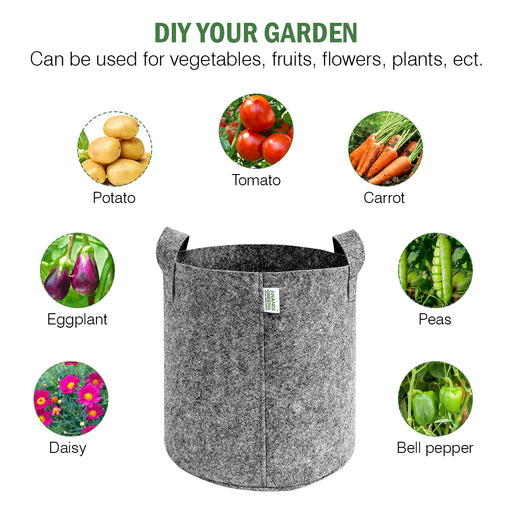
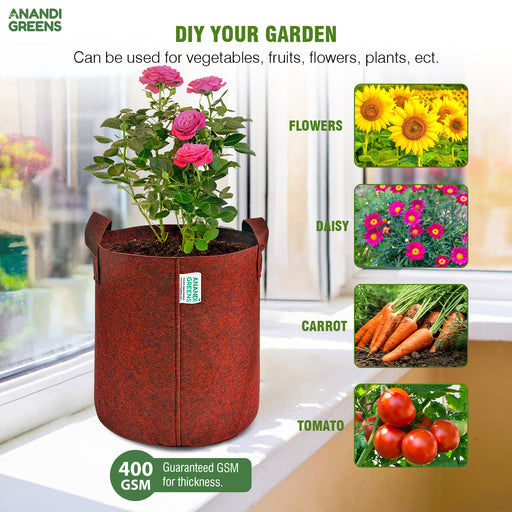
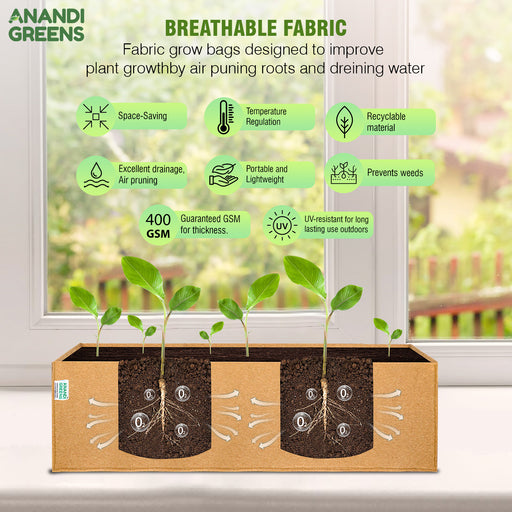
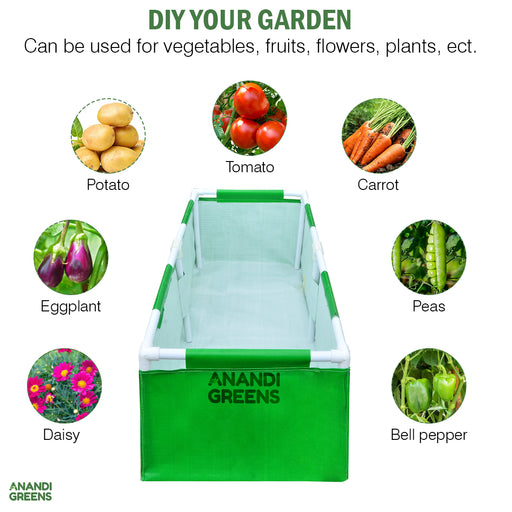
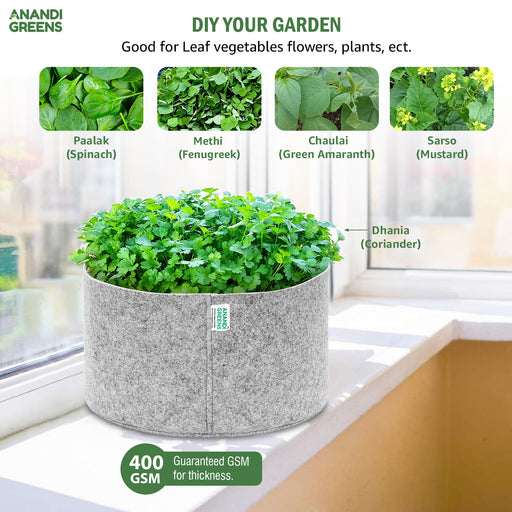
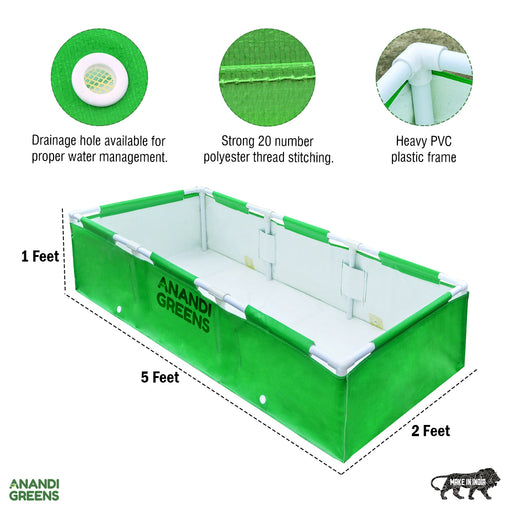
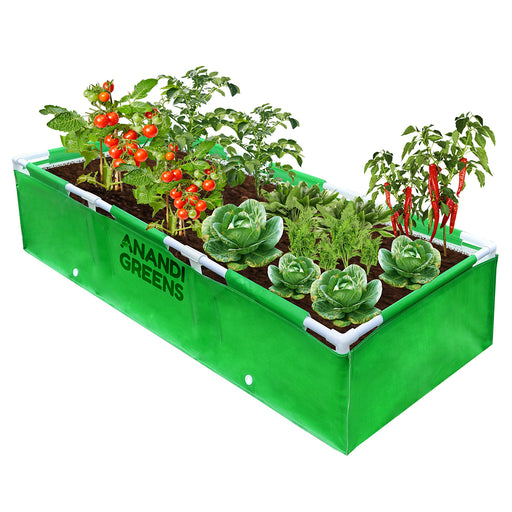
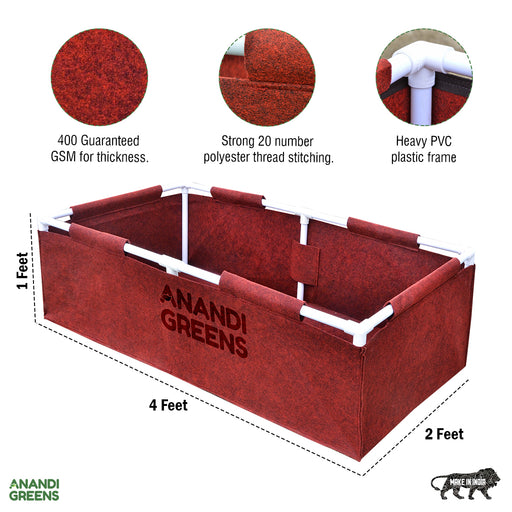
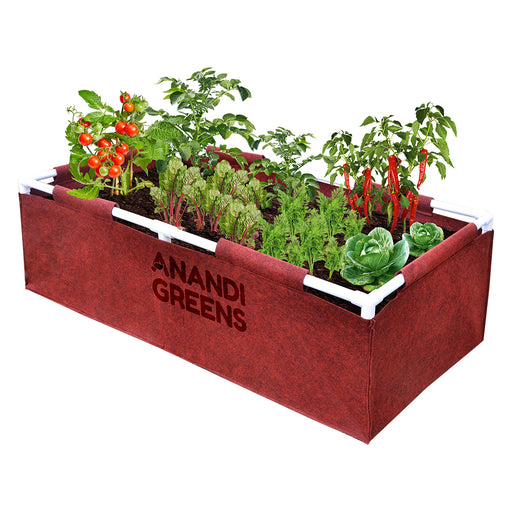
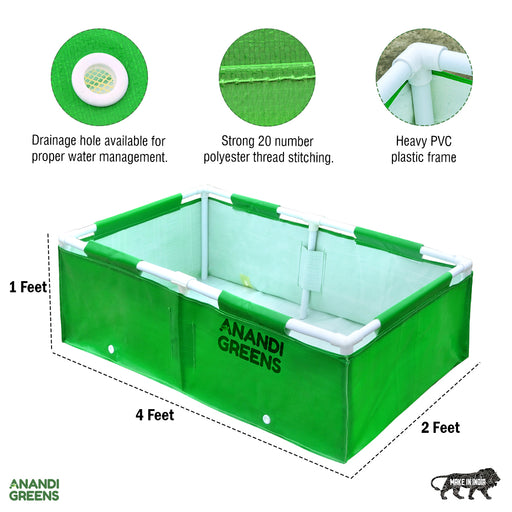
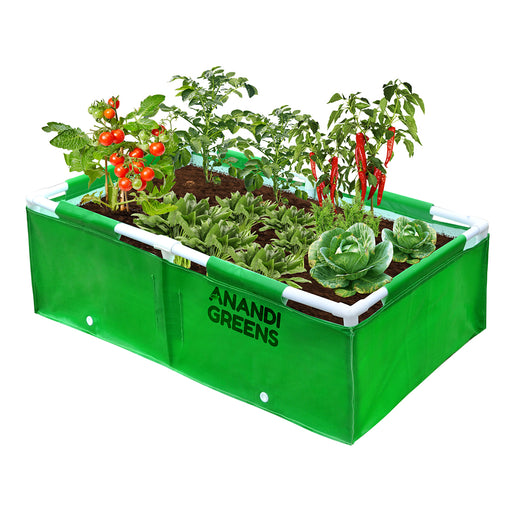
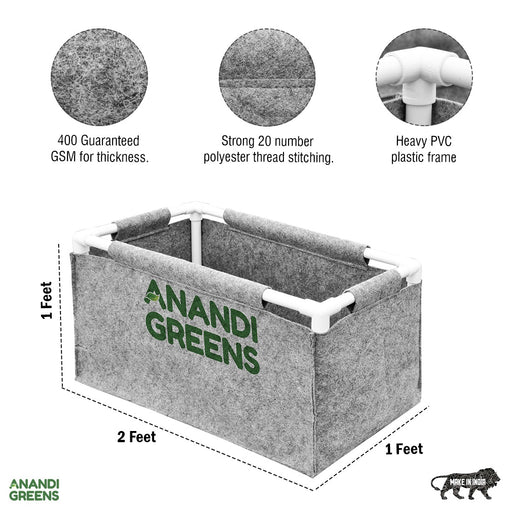
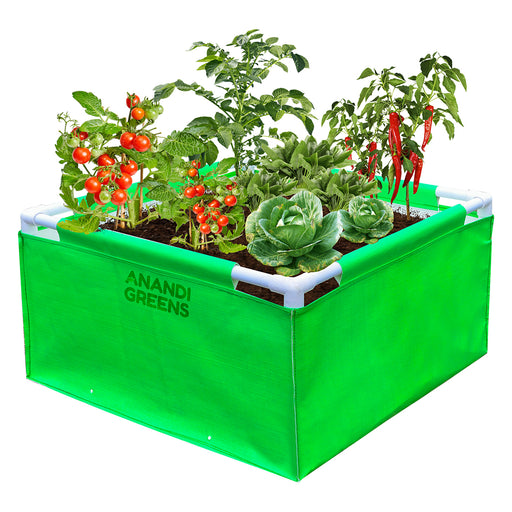
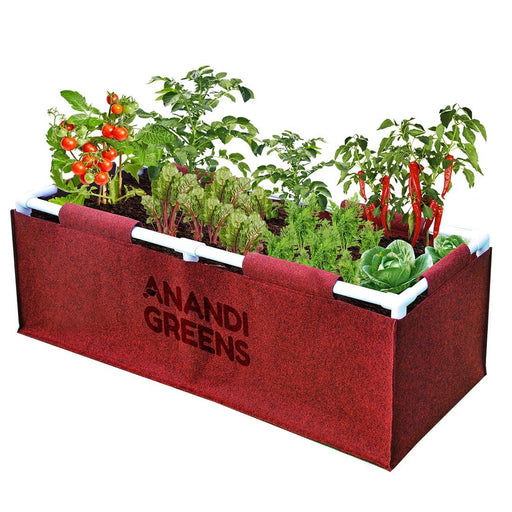
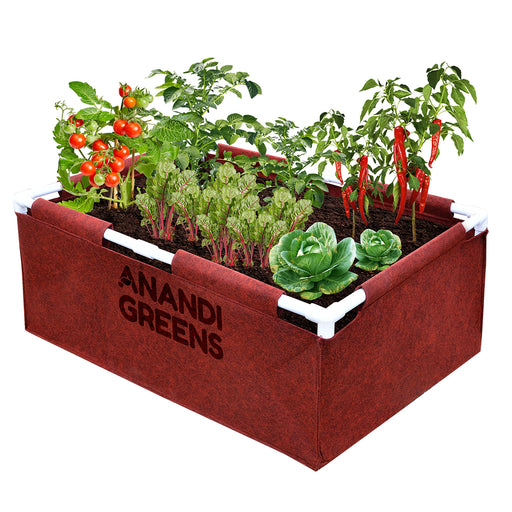
  • உகந்த வளர்ச்சிப் பை அளவுகள் :

வீட்டிலேயே கடற்பாசி F-1 கலப்பினத்தை வளர்ப்பது எப்படி:

  1. விதைகளை விதைத்தல் : விதைகளை நேரடியாக தோட்டப் படுக்கையிலோ அல்லது நாற்றுத் தட்டுகளிலோ விதைக்கவும். மண்ணின் மெல்லிய அடுக்கால் மூடி, லேசாகத் தண்ணீர் ஊற்றவும். வெயில் படும் இடத்தில் வைத்து மண்ணை ஈரப்பதமாக வைத்திருங்கள். விதைகள் 7-14 நாட்களுக்குள் முளைக்கும்.
  2. நடவு : நாற்றுகள் 10-15 செ.மீ உயரத்தை எட்டும்போது, ​​அவற்றை அவற்றின் இறுதி வளரும் இடத்திற்கு 30-45 செ.மீ இடைவெளியில் நடவு செய்யவும்.
  3. உரமிடுதல் : நடவு செய்வதற்கு முன் மண்ணில் கரிம உரம் அல்லது உரம் இடுங்கள். வளரும் பருவத்தில் ஒவ்வொரு 15-20 நாட்களுக்கும் தொடர்ந்து உரமிடுங்கள்.

பராமரிப்பு குறிப்புகள்:

  • நீர்ப்பாசனம் : குறிப்பாக வறண்ட காலங்களில் மண்ணை சமமாக ஈரப்பதமாக வைத்திருக்க தொடர்ந்து தண்ணீர் பாய்ச்சவும்.
  • மண் : நன்கு வடிகட்டிய, கரிமப் பொருட்கள் நிறைந்த வளமான மண்ணைப் பயன்படுத்துங்கள்.
  • சூரிய ஒளி : முழு சூரிய ஒளி தேவை, தினமும் குறைந்தது 6-8 மணி நேரம் நேரடி சூரிய ஒளி படும்.
  • வெப்பநிலை : வளர உகந்த வெப்பநிலை 20-30°C க்கு இடையில் இருக்கும்.
  • பூச்சி மற்றும் நோய் மேலாண்மை : பொதுவான பூச்சிகளில் அசுவினி, பழ ஈக்கள் மற்றும் இலை சுரங்க பூச்சிகள் அடங்கும். தூள் பூஞ்சை காளான் மற்றும் டவுனி பூஞ்சை காளான் போன்ற நோய்களை சரியான இடைவெளி மற்றும் வழக்கமான கண்காணிப்பு மூலம் தடுக்கலாம். தேவைக்கேற்ப கரிம பூச்சிக்கொல்லிகளைப் பயன்படுத்துங்கள்.

அறுவடை:

கடற்பாசி பூசணிக்காய்கள் விரும்பிய அளவை அடைந்து உறுதியான அமைப்பைப் பெற்றவுடன் அறுவடைக்குத் தயாராகிவிடும். கூர்மையான கத்தியால் பழத்தை வெட்டி, ஒரு குறுகிய தண்டை இணைத்து அறுவடை செய்யுங்கள்.

நீங்கள் ஏன் வாங்க வேண்டும்:

  • அதிக மகசூல் : எங்கள் உயர்தர கலப்பின விதைகளுடன் ஏராளமான அறுவடைகளை அனுபவிக்கவும்.
  • நோய் எதிர்ப்பு சக்தி : பொதுவான பூச்சிகள் மற்றும் நோய்களுக்கு சிறந்த எதிர்ப்பிற்காக வளர்க்கப்படுகிறது.
  • வளர்ப்பது எளிது : புதிய மற்றும் அனுபவம் வாய்ந்த தோட்டக்காரர்கள் இருவருக்கும் ஏற்றது.
  • ஊட்டச்சத்துக்கள் நிறைந்தது : வீட்டில் வளர்க்கப்படும் கடற்பாசி பூசணிக்காய்கள் வைட்டமின்கள் மற்றும் தாதுக்களால் நிரம்பியுள்ளன.
  • பல்துறை பயன்பாடு : பொரியல் முதல் கறி வரை பல்வேறு சமையல் உணவுகளுக்கு ஏற்றது.

சிறப்பு அம்சங்கள்:

  • பொதுவான பெயர் : கடற்பாசி பூசணி, கில்கி
  • அறிவியல் பெயர் : லுஃபா சிலிண்டிரிகா
  • தாவர உயரம் : கொடி 3 மீட்டர் வரை வளரக்கூடியது.
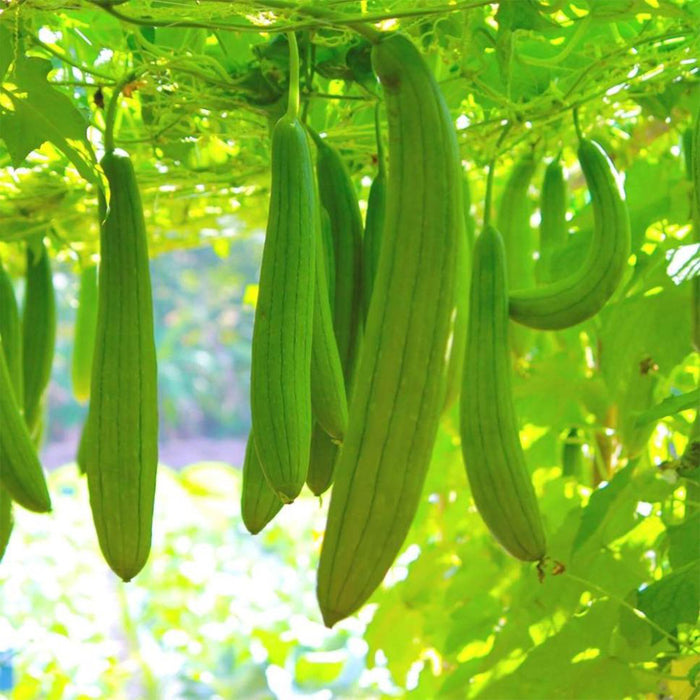
  • பழ நிறம் : பச்சை

அடிக்கடி கேட்கப்படும் கேள்விகள்:

  • என் கடற்பாசி விதைகள் ஏன் முளைக்கவில்லை? போதுமான சூரிய ஒளி, தவறான மண்ணின் ஈரப்பதம் அல்லது பொருத்தமற்ற வெப்பநிலை போன்ற முறையற்ற வளரும் நிலைமைகள் முளைப்பதைத் தடுக்கலாம்.
  • ஒரு கடற்பாசி செடியின் இலைகள் மஞ்சள் நிறமாக மாறுவதற்கு என்ன காரணம்? அதிகப்படியான நீர்ப்பாசனம், ஊட்டச்சத்து குறைபாடுகள் அல்லது பூச்சி தாக்குதல்கள் காரணமாக இலைகள் மஞ்சள் நிறமாக மாறக்கூடும். சரியான நீர்ப்பாசனம் மற்றும் ஊட்டச்சத்து பயன்பாட்டை உறுதி செய்யுங்கள்.

குறிப்பு : படங்கள் குறிப்பு நோக்கங்களுக்காக மட்டுமே. உண்மையான தயாரிப்பு காலநிலை, வயது, உயரம் போன்றவற்றின் அடிப்படையில் வடிவம் அல்லது தோற்றத்தில் மாறுபடலாம்.

How to Grow Sponge Gourd (Gilki)

Sponge Gourd Growing Season in India

Sponge Gourd grows best in India during Spring, Summer, and Monsoon, with sowing windows in February–April and June–July. Warm soil (22–35°C) supports reliable germination in this heat-loving climber.

How to Grow Sponge Gourd in Vertical and Terrace Gardens

As a vigorous climber, Sponge Gourd needs vertical support in a terrace setting. - Provide a trellis, netting, or wall support at least 2 m tall - Recommended spacing: 60–90 cm between plants, 180–240 cm between rows - Sowing depth: 2–3 cm, directly into moist soil

Sowing and Germination

Sow seeds directly 2–3 cm deep in well-drained soil. Germination takes 5–10 days under warm conditions. For India-specific sowing calendars by region, ICAR's state agricultural university network publishes seasonal guidance.

Ongoing Care

Water moderately and train vines onto support early. Full sun is essential for good fruit set. Harvest fruit while young and tender, typically 50–65 days after sowing — the skin should peel away easily, since overripe fruit develops a tough, fibrous interior similar to a loofah.

Common Name: Sponge Gourd (Gilki/Turai)

Vegetable Type: Fruiting Vegetable

Fruit Color: Green

Plant Lifecycle: Annual

Seed Type: F1 Hybrid

Germination Time: 5–10 Days

Days to Harvest: 50–65 Days

Sowing Season: Spring, Summer, Monsoon

Best Sowing Months (India): Feb–Apr, Jun–Jul

Harvest Duration: 6–8 Weeks

Fruit Size: Medium to Long

Plant Height: Vine up to 3–6 m

Growth Habit: Climbing Vine

Taste Profile: Mild, Tender

Genus: Luffa

Scientific Name: Luffa cylindrica

Plant Family: Cucurbitaceae

Native Region: Tropical Asia

Sunlight: Full Sun (6–8 Hours)

Water Requirement: Moderate

Soil pH: 6.0–7.5

Temperature Range: 22–35°C

Direct Sow / Transplant: Direct Sow

Plant Spacing: 60–90 cm

Row Spacing: 180–240 cm

Container Friendly: Yes (Large Containers/Grow Bags)

Beginner Friendly: Yes

Common Growing Problems: Fruit Fly, Aphids, Powdery Mildew, Downy Mildew

Popular Uses: Curry, Stir Fry, Soup, Steamed Dishes

How long do Sponge Gourd seeds take to germinate?

Sponge Gourd seeds typically germinate in 5–10 days under warm conditions (22–35°C) with consistent moisture.

When should I sow Sponge Gourd seeds in India?

The best sowing windows are February to April and June to July, aligning with the Spring, Summer, and Monsoon growing season.

How long does Sponge Gourd take to be ready for harvest?

From sowing, Sponge Gourd takes 50–65 days to produce its first harvestable fruit, with plants fruiting for 6–8 weeks after that.

How is Sponge Gourd different from Ridge Gourd?

Sponge Gourd has a smoother, rounder skin compared to the distinctly ridged skin of Ridge Gourd. Both are climbing Cucurbits with similar growing needs but slightly different fruit texture once peeled.

How much sunlight does Sponge Gourd need?

Sponge Gourd needs full sun for healthy vine growth and good fruit development.

Is Sponge Gourd suitable for terrace and vertical gardens?

Yes, Sponge Gourd grows well vertically on a trellis or wall support, keeping fruit off the ground and easier to harvest.

Why is my Sponge Gourd fruit tough instead of tender?

This means the fruit was left on the vine too long. Harvest while young and tender, typically 50–65 days after sowing, before the interior develops a fibrous, loofah-like texture.

What soil pH does Sponge Gourd prefer?

Sponge Gourd grows best in soil with a pH range of 6.0–7.5, the same range suited to most Cucurbit family vegetables.

What are good companion plants for Sponge Gourd?

Sponge Gourd grows well alongside Beans, Corn, and Radish, making efficient use of vertical and ground-level garden space together.

Can mature Sponge Gourd be used as a natural loofah?

Yes, if left to fully mature and dry on the vine well past the eating stage, the fibrous interior of Sponge Gourd can be processed into a natural bath loofah — a different use case from harvesting young for cooking.

Can I sow Sponge Gourd seeds directly in a grow bag?

Yes, direct sowing works well. Use a large grow bag with a trellis or support nearby, and sow seeds 2–3 cm deep in moist, well-drained soil.

What is the best time to sow Sponge Gourd seeds in India?

The ideal sowing windows are February–April and June–July, giving Sponge Gourd the 22–35°C soil temperature it needs for reliable germination.

Why are my Sponge Gourd seeds not germinating?

Common causes include cold soil, insufficient moisture, or old seed. Confirm soil temperature is above 22°C and keep soil consistently moist without waterlogging.

Why do my Sponge Gourd flowers drop without setting fruit?

Flower drop often results from poor pollination, since Sponge Gourd produces separate male and female flowers. Hand-pollinating with a small brush can help in areas with limited pollinator activity.

How do I control fruit flies on Sponge Gourd?

Fruit flies lay eggs in young fruit, causing internal rot. Bagging young fruit with a light cloth cover and removing damaged fruit promptly helps reduce infestation.

Why do my Sponge Gourd leaves have white powdery patches?

This is powdery mildew, common in humid conditions. Train vines onto a trellis for better airflow, and avoid wetting leaves when watering.

Can Sponge Gourd be grown without a trellis?

It can sprawl on the ground, but vertical support generally produces straighter fruit and reduces the risk of rot from soil contact.

How often should I water Sponge Gourd?

Water moderately, keeping soil consistently moist but not waterlogged, with slightly increased frequency during flowering and fruit development.

Why is my Sponge Gourd vine growing but not flowering?

Delayed flowering can result from excess nitrogen fertilizer, insufficient sunlight, or plants still being young — flowering typically begins around 30–40 days after sowing.

Is it normal for Sponge Gourd fruit to have slight ridging even though it's a different variety from Ridge Gourd?

A small amount of natural ridging can appear on Sponge Gourd fruit and is normal; it's generally much fainter than the pronounced ridges on true Ridge Gourd, so this doesn't indicate a mix-up.

Refund Policy

This refund policy states that once an order has been delivered to and accepted by the customer, it cannot be refunded. However, if the customer believes that the order does not meet the specified requirements, they are required to contact the customer care team within 24 hours of receiving the order.

Here's a breakdown of the key points in this refund policy:

  • Orders Delivered and Accepted: Once a customer has received and accepted their order, they are not eligible for a refund.
  • Discrepancies in Order: If the customer believes that the order does not meet the specified requirements or is not as expected, they have a 24-hour window to contact the customer care team.

It's important for customers to read and understand the refund policy to know their rights and responsibilities when it comes to requesting refunds or addressing issues with their orders.

Cancellation Policy

This cancellation policy outlines the conditions under which customers can cancel their orders with Anandi Green's. Here are the key points of this policy:

  1. Cancellation Timeframe: Customers can request a cancellation within 24 hours of placing an order. Cancellation requests made after this time period may not be entertained.
  2. Exclusions for Cancellation: Orders cannot be canceled if they have already been communicated to the vendors/merchants, and the shipping process has been initiated. Additionally, there is no cancellation allowed for orders placed under the Same Day Delivery category.
  3. Special Occasion Products: Orders for products obtained by Anandi Green's marketing team on special occasions like Pongal, Diwali, Valentine's Day, etc., cannot be canceled. These are considered limited occasion offers.
  4. Damaged or Defective Items: If customers receive damaged or defective consumer durable or nondurable items, they should report the issue to the Customer Service team within 1 day of receipt. The request will be entertained after the merchant has checked and confirmed the issue.
  5. Product Not as Expected: If a customer receives a product that does not meet their expectations or does not match what was shown on the website, they must inform the customer service team within 24 hours of receiving the product. The Customer Service Team will review the complaint and make an appropriate decision.

Delivery and Shipping Policy

We have partnered with several logistics for our Domestic Shipments. Normal delivery and shipping estimate for all the domestic shipments are between 5 to 7 business days, delays might occur in some unavoidable circumstances .

Mandatory Unboxing Video for Claims.

For missing items or damaged products, claiming resolution requires the customer to provide a clear and uninterrupted unboxing video.

OTP Verified Delivery Protocol.

Delivery OTP should be provided only when the delivery agent is physically present at the doorstep. Any OTP shared over a call before product arrival will result in cancellation or rescheduling of the delivery.

Description

விளக்கம்:

எங்கள் F-1 கலப்பின கடற்பாசி விதைகளைப் பயன்படுத்தி உங்கள் சொந்த புதிய மற்றும் சத்தான கடற்பாசி சுரைக்காய்களை (கிலகி) பயிரிடுங்கள்! மென்மையான அமைப்பு மற்றும் லேசான சுவைக்கு பெயர் பெற்ற கடற்பாசி பல பாரம்பரிய உணவுகளில் பயன்படுத்தப்படும் ஒரு பல்துறை காய்கறியாகும். எங்கள் உயர்தர விதைகள் அதிக மகசூல், சிறந்த சுவை மற்றும் பொதுவான பூச்சிகள் மற்றும் நோய்களுக்கு எதிர்ப்புத் திறன் ஆகியவற்றிற்காக சிறப்பாக வளர்க்கப்படுகின்றன, இதனால் அவை வீட்டுத் தோட்டங்கள் மற்றும் வணிக சாகுபடிக்கு ஏற்றதாக அமைகின்றன.

அம்சங்கள்:

  • விதைகளின் எண்ணிக்கை : 15 உயர்தர F1 கலப்பின விதைகள்.
  • வளரும் இடம் : வெளிப்புற தோட்டங்கள் மற்றும் கொள்கலன் தோட்டக்கலைக்கு ஏற்றது.
  • விதைப்பு பருவம் : வசந்த காலம் மற்றும் கோடை காலத்தில் நடவு செய்வது சிறந்தது.
  • விதைப்பு முறை : நேரடி விதைப்பு அல்லது நாற்று நடவு முறை.
  • முளைக்கும் நேரம் : 7 முதல் 14 நாட்கள்.
  • முளைப்பு வெப்பநிலை : 20-30°C.
  • அறுவடை நேரம் : விதைத்ததிலிருந்து 50 முதல் 60 நாட்கள் வரை.
  • உகந்த வளர்ச்சிப் பை அளவுகள் :

வீட்டிலேயே கடற்பாசி F-1 கலப்பினத்தை வளர்ப்பது எப்படி:

  1. விதைகளை விதைத்தல் : விதைகளை நேரடியாக தோட்டப் படுக்கையிலோ அல்லது நாற்றுத் தட்டுகளிலோ விதைக்கவும். மண்ணின் மெல்லிய அடுக்கால் மூடி, லேசாகத் தண்ணீர் ஊற்றவும். வெயில் படும் இடத்தில் வைத்து மண்ணை ஈரப்பதமாக வைத்திருங்கள். விதைகள் 7-14 நாட்களுக்குள் முளைக்கும்.
  2. நடவு : நாற்றுகள் 10-15 செ.மீ உயரத்தை எட்டும்போது, ​​அவற்றை அவற்றின் இறுதி வளரும் இடத்திற்கு 30-45 செ.மீ இடைவெளியில் நடவு செய்யவும்.
  3. உரமிடுதல் : நடவு செய்வதற்கு முன் மண்ணில் கரிம உரம் அல்லது உரம் இடுங்கள். வளரும் பருவத்தில் ஒவ்வொரு 15-20 நாட்களுக்கும் தொடர்ந்து உரமிடுங்கள்.

பராமரிப்பு குறிப்புகள்:

  • நீர்ப்பாசனம் : குறிப்பாக வறண்ட காலங்களில் மண்ணை சமமாக ஈரப்பதமாக வைத்திருக்க தொடர்ந்து தண்ணீர் பாய்ச்சவும்.
  • மண் : நன்கு வடிகட்டிய, கரிமப் பொருட்கள் நிறைந்த வளமான மண்ணைப் பயன்படுத்துங்கள்.
  • சூரிய ஒளி : முழு சூரிய ஒளி தேவை, தினமும் குறைந்தது 6-8 மணி நேரம் நேரடி சூரிய ஒளி படும்.
  • வெப்பநிலை : வளர உகந்த வெப்பநிலை 20-30°C க்கு இடையில் இருக்கும்.
  • பூச்சி மற்றும் நோய் மேலாண்மை : பொதுவான பூச்சிகளில் அசுவினி, பழ ஈக்கள் மற்றும் இலை சுரங்க பூச்சிகள் அடங்கும். தூள் பூஞ்சை காளான் மற்றும் டவுனி பூஞ்சை காளான் போன்ற நோய்களை சரியான இடைவெளி மற்றும் வழக்கமான கண்காணிப்பு மூலம் தடுக்கலாம். தேவைக்கேற்ப கரிம பூச்சிக்கொல்லிகளைப் பயன்படுத்துங்கள்.

அறுவடை:

கடற்பாசி பூசணிக்காய்கள் விரும்பிய அளவை அடைந்து உறுதியான அமைப்பைப் பெற்றவுடன் அறுவடைக்குத் தயாராகிவிடும். கூர்மையான கத்தியால் பழத்தை வெட்டி, ஒரு குறுகிய தண்டை இணைத்து அறுவடை செய்யுங்கள்.

நீங்கள் ஏன் வாங்க வேண்டும்:

  • அதிக மகசூல் : எங்கள் உயர்தர கலப்பின விதைகளுடன் ஏராளமான அறுவடைகளை அனுபவிக்கவும்.
  • நோய் எதிர்ப்பு சக்தி : பொதுவான பூச்சிகள் மற்றும் நோய்களுக்கு சிறந்த எதிர்ப்பிற்காக வளர்க்கப்படுகிறது.
  • வளர்ப்பது எளிது : புதிய மற்றும் அனுபவம் வாய்ந்த தோட்டக்காரர்கள் இருவருக்கும் ஏற்றது.
  • ஊட்டச்சத்துக்கள் நிறைந்தது : வீட்டில் வளர்க்கப்படும் கடற்பாசி பூசணிக்காய்கள் வைட்டமின்கள் மற்றும் தாதுக்களால் நிரம்பியுள்ளன.
  • பல்துறை பயன்பாடு : பொரியல் முதல் கறி வரை பல்வேறு சமையல் உணவுகளுக்கு ஏற்றது.

சிறப்பு அம்சங்கள்:

  • பொதுவான பெயர் : கடற்பாசி பூசணி, கில்கி
  • அறிவியல் பெயர் : லுஃபா சிலிண்டிரிகா
  • தாவர உயரம் : கொடி 3 மீட்டர் வரை வளரக்கூடியது.
  • பழ நிறம் : பச்சை

அடிக்கடி கேட்கப்படும் கேள்விகள்:

  • என் கடற்பாசி விதைகள் ஏன் முளைக்கவில்லை? போதுமான சூரிய ஒளி, தவறான மண்ணின் ஈரப்பதம் அல்லது பொருத்தமற்ற வெப்பநிலை போன்ற முறையற்ற வளரும் நிலைமைகள் முளைப்பதைத் தடுக்கலாம்.
  • ஒரு கடற்பாசி செடியின் இலைகள் மஞ்சள் நிறமாக மாறுவதற்கு என்ன காரணம்? அதிகப்படியான நீர்ப்பாசனம், ஊட்டச்சத்து குறைபாடுகள் அல்லது பூச்சி தாக்குதல்கள் காரணமாக இலைகள் மஞ்சள் நிறமாக மாறக்கூடும். சரியான நீர்ப்பாசனம் மற்றும் ஊட்டச்சத்து பயன்பாட்டை உறுதி செய்யுங்கள்.

குறிப்பு : படங்கள் குறிப்பு நோக்கங்களுக்காக மட்டுமே. உண்மையான தயாரிப்பு காலநிலை, வயது, உயரம் போன்றவற்றின் அடிப்படையில் வடிவம் அல்லது தோற்றத்தில் மாறுபடலாம்.

How to grow

How to Grow Sponge Gourd (Gilki)

Sponge Gourd Growing Season in India

Sponge Gourd grows best in India during Spring, Summer, and Monsoon, with sowing windows in February–April and June–July. Warm soil (22–35°C) supports reliable germination in this heat-loving climber.

How to Grow Sponge Gourd in Vertical and Terrace Gardens

As a vigorous climber, Sponge Gourd needs vertical support in a terrace setting. - Provide a trellis, netting, or wall support at least 2 m tall - Recommended spacing: 60–90 cm between plants, 180–240 cm between rows - Sowing depth: 2–3 cm, directly into moist soil

Sowing and Germination

Sow seeds directly 2–3 cm deep in well-drained soil. Germination takes 5–10 days under warm conditions. For India-specific sowing calendars by region, ICAR's state agricultural university network publishes seasonal guidance.

Ongoing Care

Water moderately and train vines onto support early. Full sun is essential for good fruit set. Harvest fruit while young and tender, typically 50–65 days after sowing — the skin should peel away easily, since overripe fruit develops a tough, fibrous interior similar to a loofah.

Technical Details

Common Name: Sponge Gourd (Gilki/Turai)

Vegetable Type: Fruiting Vegetable

Fruit Color: Green

Plant Lifecycle: Annual

Seed Type: F1 Hybrid

Germination Time: 5–10 Days

Days to Harvest: 50–65 Days

Sowing Season: Spring, Summer, Monsoon

Best Sowing Months (India): Feb–Apr, Jun–Jul

Harvest Duration: 6–8 Weeks

Fruit Size: Medium to Long

Plant Height: Vine up to 3–6 m

Growth Habit: Climbing Vine

Taste Profile: Mild, Tender

Genus: Luffa

Scientific Name: Luffa cylindrica

Plant Family: Cucurbitaceae

Native Region: Tropical Asia

Growing Conditions

Sunlight: Full Sun (6–8 Hours)

Water Requirement: Moderate

Soil pH: 6.0–7.5

Temperature Range: 22–35°C

Direct Sow / Transplant: Direct Sow

Plant Spacing: 60–90 cm

Row Spacing: 180–240 cm

Container Friendly: Yes (Large Containers/Grow Bags)

Beginner Friendly: Yes

Common Growing Problems: Fruit Fly, Aphids, Powdery Mildew, Downy Mildew

Popular Uses: Curry, Stir Fry, Soup, Steamed Dishes

FAQ's
How long do Sponge Gourd seeds take to germinate?

Sponge Gourd seeds typically germinate in 5–10 days under warm conditions (22–35°C) with consistent moisture.

When should I sow Sponge Gourd seeds in India?

The best sowing windows are February to April and June to July, aligning with the Spring, Summer, and Monsoon growing season.

How long does Sponge Gourd take to be ready for harvest?

From sowing, Sponge Gourd takes 50–65 days to produce its first harvestable fruit, with plants fruiting for 6–8 weeks after that.

How is Sponge Gourd different from Ridge Gourd?

Sponge Gourd has a smoother, rounder skin compared to the distinctly ridged skin of Ridge Gourd. Both are climbing Cucurbits with similar growing needs but slightly different fruit texture once peeled.

How much sunlight does Sponge Gourd need?

Sponge Gourd needs full sun for healthy vine growth and good fruit development.

Is Sponge Gourd suitable for terrace and vertical gardens?

Yes, Sponge Gourd grows well vertically on a trellis or wall support, keeping fruit off the ground and easier to harvest.

Why is my Sponge Gourd fruit tough instead of tender?

This means the fruit was left on the vine too long. Harvest while young and tender, typically 50–65 days after sowing, before the interior develops a fibrous, loofah-like texture.

What soil pH does Sponge Gourd prefer?

Sponge Gourd grows best in soil with a pH range of 6.0–7.5, the same range suited to most Cucurbit family vegetables.

What are good companion plants for Sponge Gourd?

Sponge Gourd grows well alongside Beans, Corn, and Radish, making efficient use of vertical and ground-level garden space together.

Can mature Sponge Gourd be used as a natural loofah?

Yes, if left to fully mature and dry on the vine well past the eating stage, the fibrous interior of Sponge Gourd can be processed into a natural bath loofah — a different use case from harvesting young for cooking.

Common Questions & Troubleshooting
Can I sow Sponge Gourd seeds directly in a grow bag?

Yes, direct sowing works well. Use a large grow bag with a trellis or support nearby, and sow seeds 2–3 cm deep in moist, well-drained soil.

What is the best time to sow Sponge Gourd seeds in India?

The ideal sowing windows are February–April and June–July, giving Sponge Gourd the 22–35°C soil temperature it needs for reliable germination.

Why are my Sponge Gourd seeds not germinating?

Common causes include cold soil, insufficient moisture, or old seed. Confirm soil temperature is above 22°C and keep soil consistently moist without waterlogging.

Why do my Sponge Gourd flowers drop without setting fruit?

Flower drop often results from poor pollination, since Sponge Gourd produces separate male and female flowers. Hand-pollinating with a small brush can help in areas with limited pollinator activity.

How do I control fruit flies on Sponge Gourd?

Fruit flies lay eggs in young fruit, causing internal rot. Bagging young fruit with a light cloth cover and removing damaged fruit promptly helps reduce infestation.

Why do my Sponge Gourd leaves have white powdery patches?

This is powdery mildew, common in humid conditions. Train vines onto a trellis for better airflow, and avoid wetting leaves when watering.

Can Sponge Gourd be grown without a trellis?

It can sprawl on the ground, but vertical support generally produces straighter fruit and reduces the risk of rot from soil contact.

How often should I water Sponge Gourd?

Water moderately, keeping soil consistently moist but not waterlogged, with slightly increased frequency during flowering and fruit development.

Why is my Sponge Gourd vine growing but not flowering?

Delayed flowering can result from excess nitrogen fertilizer, insufficient sunlight, or plants still being young — flowering typically begins around 30–40 days after sowing.

Is it normal for Sponge Gourd fruit to have slight ridging even though it's a different variety from Ridge Gourd?

A small amount of natural ridging can appear on Sponge Gourd fruit and is normal; it's generally much fainter than the pronounced ridges on true Ridge Gourd, so this doesn't indicate a mix-up.

Shipping & Return

Refund Policy

This refund policy states that once an order has been delivered to and accepted by the customer, it cannot be refunded. However, if the customer believes that the order does not meet the specified requirements, they are required to contact the customer care team within 24 hours of receiving the order.

Here's a breakdown of the key points in this refund policy:

  • Orders Delivered and Accepted: Once a customer has received and accepted their order, they are not eligible for a refund.
  • Discrepancies in Order: If the customer believes that the order does not meet the specified requirements or is not as expected, they have a 24-hour window to contact the customer care team.

It's important for customers to read and understand the refund policy to know their rights and responsibilities when it comes to requesting refunds or addressing issues with their orders.

Cancellation Policy

This cancellation policy outlines the conditions under which customers can cancel their orders with Anandi Green's. Here are the key points of this policy:

  1. Cancellation Timeframe: Customers can request a cancellation within 24 hours of placing an order. Cancellation requests made after this time period may not be entertained.
  2. Exclusions for Cancellation: Orders cannot be canceled if they have already been communicated to the vendors/merchants, and the shipping process has been initiated. Additionally, there is no cancellation allowed for orders placed under the Same Day Delivery category.
  3. Special Occasion Products: Orders for products obtained by Anandi Green's marketing team on special occasions like Pongal, Diwali, Valentine's Day, etc., cannot be canceled. These are considered limited occasion offers.
  4. Damaged or Defective Items: If customers receive damaged or defective consumer durable or nondurable items, they should report the issue to the Customer Service team within 1 day of receipt. The request will be entertained after the merchant has checked and confirmed the issue.
  5. Product Not as Expected: If a customer receives a product that does not meet their expectations or does not match what was shown on the website, they must inform the customer service team within 24 hours of receiving the product. The Customer Service Team will review the complaint and make an appropriate decision.

Delivery and Shipping Policy

We have partnered with several logistics for our Domestic Shipments. Normal delivery and shipping estimate for all the domestic shipments are between 5 to 7 business days, delays might occur in some unavoidable circumstances .

Mandatory Unboxing Video for Claims.

For missing items or damaged products, claiming resolution requires the customer to provide a clear and uninterrupted unboxing video.

OTP Verified Delivery Protocol.

Delivery OTP should be provided only when the delivery agent is physically present at the doorstep. Any OTP shared over a call before product arrival will result in cancellation or rescheduling of the delivery.
Why Choose Us

See How We Compare

An honest side-by-side look at everything that matters.

Features

Sponge Gourd (गिलकी) F-1 Hybrid Seeds

View Product

F1 Hybrid Cucumber (खीरा) Seeds

View Product

F1 Hybrid Tinda (टिंडा) Seeds

View Product

Ridge Gourd (तोरई) F-1 Hybrid Seeds

View Product
Annual / Perennial

Annual

Annual

ANNUAL

F1 Hybrid / Open Pollinated

F1 Hybrid

F1 Hybrid

F1 HYBRID

Sowing Season

Spring, Summer, Monsoon

Spring, Summer & Monsoon

SPRING, SUMMER, MONSOON

Days to Harvest

45–60 days

50–65 Days

50–60 DAYS

Plant Height

Vine up to 1.5–3 m

Vine up to 2–4 m

2–4 M (CLIMBER)

Fruit / Root Size

Medium to Long

Medium, Round

25–40 CM

Taste Profile

Crisp, Mild, Refreshing

Mild, Tender

Mild, Tender

Yield Potential

High

High

HIGH

Container / Grow Bag Friendly

Yes (Large Containers)

Yes (Large Grow Bags/Containers)

YES (LARGE GROW BAG/POT)

Choose your Grow Bag Easily!