உள்ளடக்கத்திற்குச் செல்
ரூ. 449க்கு மேல் இலவச டெலிவரி | சீசன் விற்பனை நேரலையில் உள்ளது! | 60% வரை தள்ளுபடி | டெலிவரிக்குப் பிறகு பணம் கிடைக்கும்!

உங்கள் தோட்டத்திற்கு முள்ளங்கி (முலி) F-1 கலப்பின விதைகள்

Anandi Green's ஆல்

Get 5% Off Use this Coupon WELCOME05
*Valid on orders above ₹299
*Only one discount can be applied at a time. Stacking is not permitted.
50 % சேமிக்கவும் 50 % சேமிக்கவும்
அசல் விலை ₹ 120
அசல் விலை ₹ 120 - அசல் விலை ₹ 120
அசல் விலை ₹ 120
தற்போதைய விலை ₹ 60
₹ 60 - ₹ 60
தற்போதைய விலை ₹ 60
Fast Shipping

Fast Shipping

Secure Payment

Secure Payment

Satisfaction Guarantee

Satisfaction Guarantee

Value For Money

Value For Money

Description
How to grow
Technical Details
Growing Conditions
FAQ's
Common Questions & Troubleshooting
Shipping & Return

விளக்கம்:

எங்கள் F-1 கலப்பின முள்ளங்கி விதைகளைப் பயன்படுத்தி உங்கள் சொந்த புதிய மற்றும் மொறுமொறுப்பான முள்ளங்கியை வளர்க்கவும்! இந்த விதைகள் அதிக மகசூல், விரைவான வளர்ச்சி மற்றும் பொதுவான பூச்சிகள் மற்றும் நோய்களுக்கு எதிர்ப்புத் திறன் ஆகியவற்றிற்காக சிறப்பாக வளர்க்கப்படுகின்றன. வீட்டுத் தோட்டங்கள் மற்றும் வணிகப் பண்ணைகளுக்கு ஏற்ற இந்த முள்ளங்கிகள் சாலடுகள், அலங்காரப் பொருட்கள் மற்றும் ஊறுகாய்களுக்கு ஏற்றவை.

அம்சங்கள்:

  • விதைகளின் எண்ணிக்கை : 50 உயர்தர F1 கலப்பின விதைகள்.
  • வளரும் இடம் : வெளிப்புற தோட்டங்கள் மற்றும் கொள்கலன் தோட்டக்கலைக்கு ஏற்றது.
  • விதைப்பு பருவம் : வசந்த காலம் மற்றும் இலையுதிர் காலத்தில் நடவு செய்வது சிறந்தது.
  • விதைப்பு முறை : நேரடி விதைப்பு பரிந்துரைக்கப்படுகிறது.
  • முளைக்கும் நேரம் : 5 முதல் 10 நாட்கள்.
  • முளைப்பு வெப்பநிலை : 10-20°C.
  • அறுவடை நேரம் : விதைத்ததிலிருந்து 25 முதல் 35 நாட்கள் வரை.
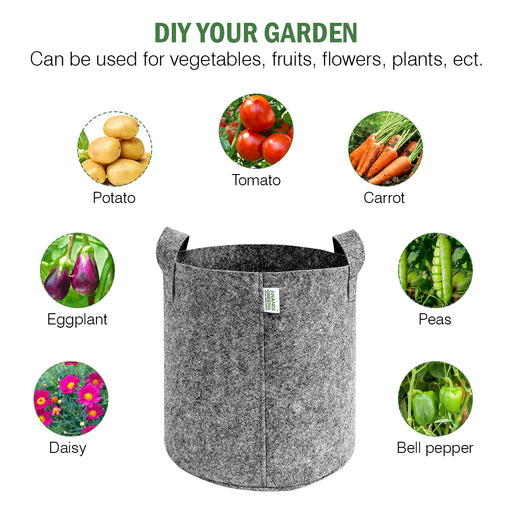
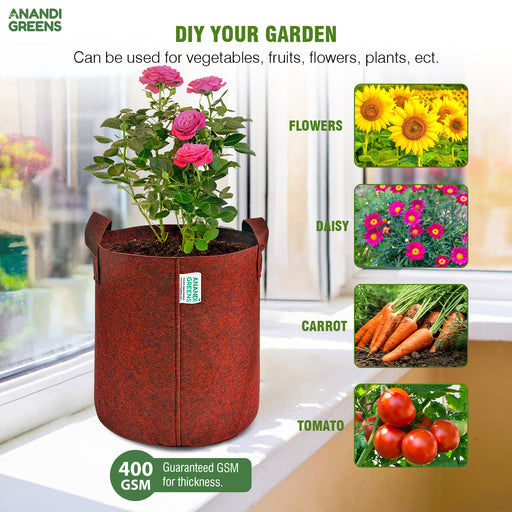
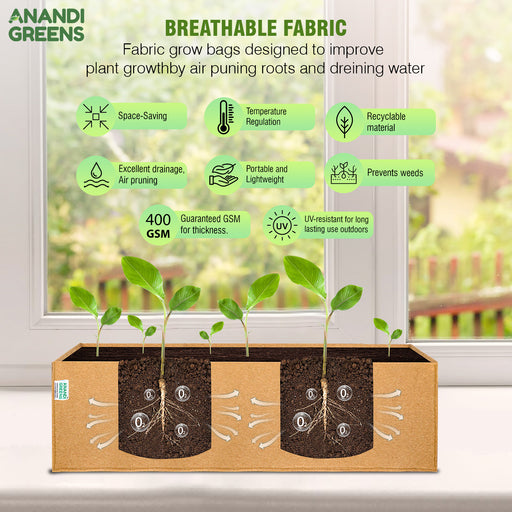
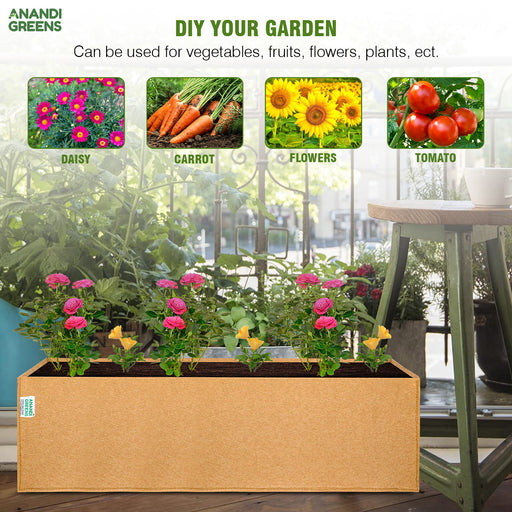
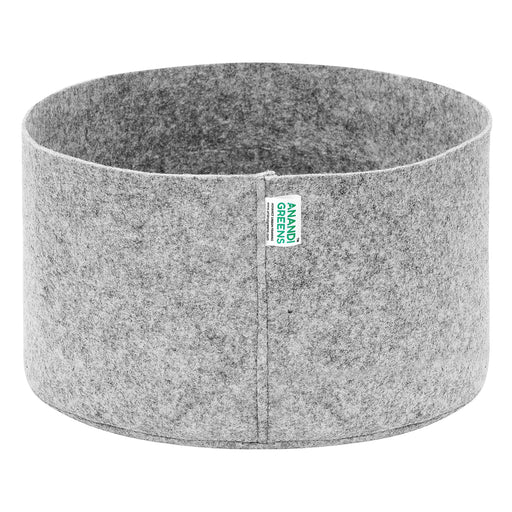
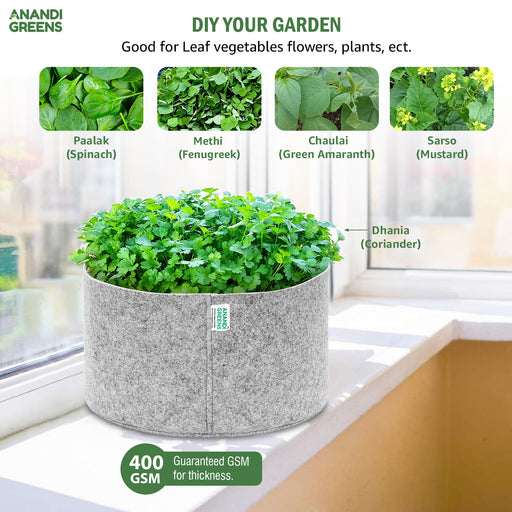
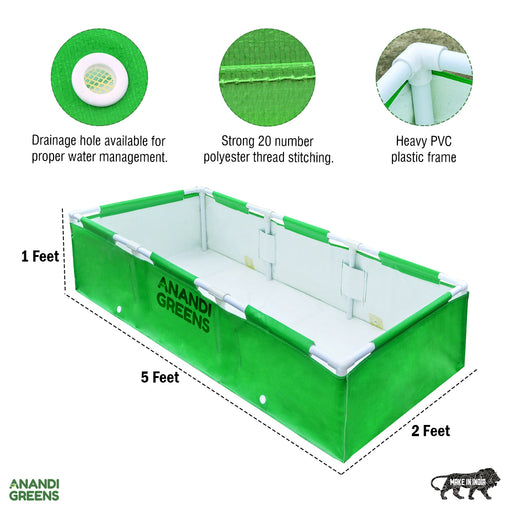
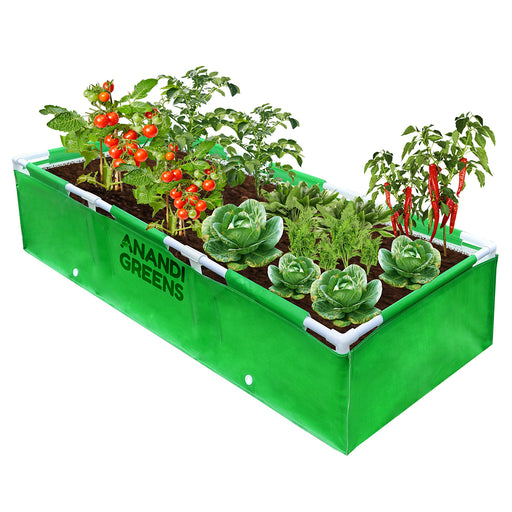
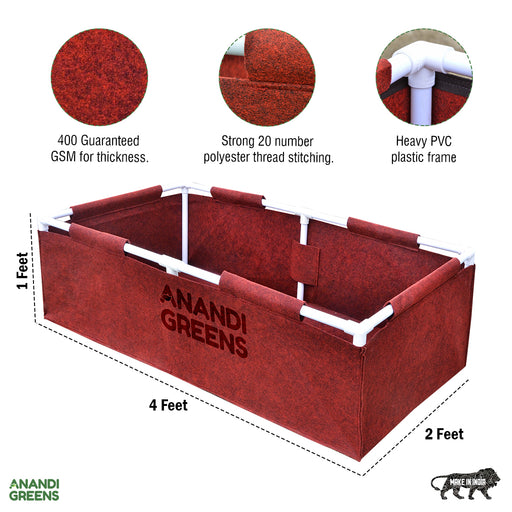
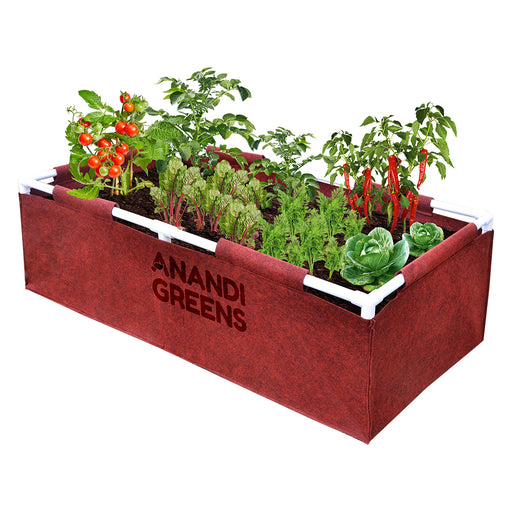
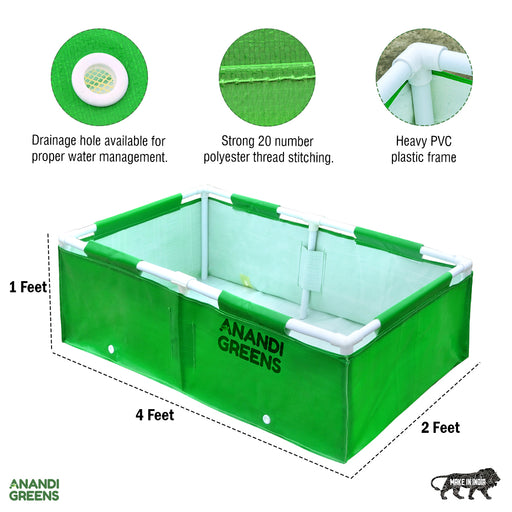
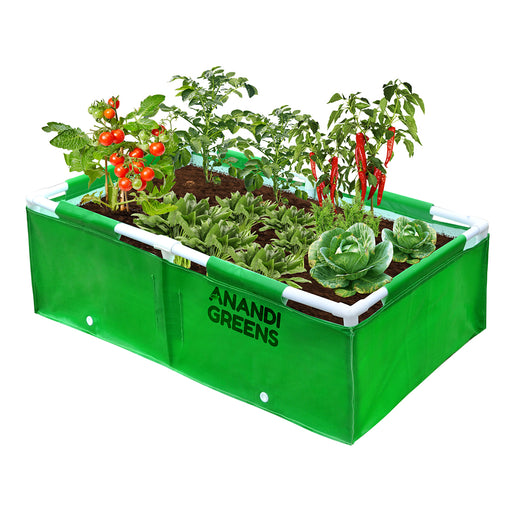
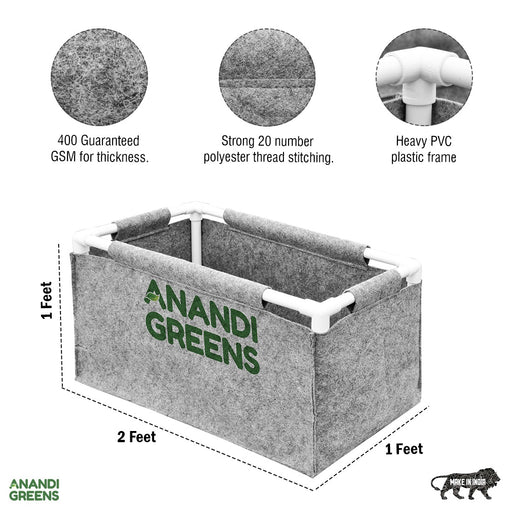
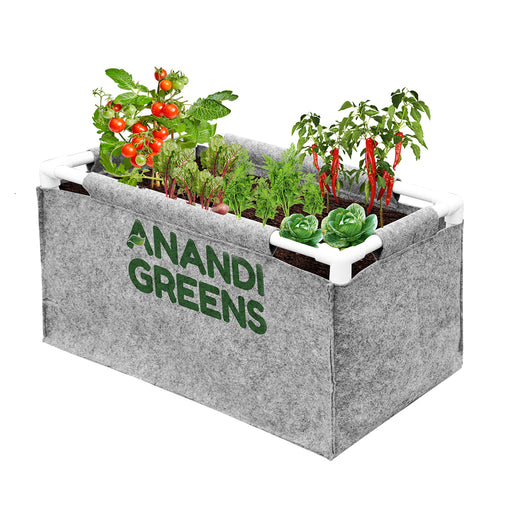
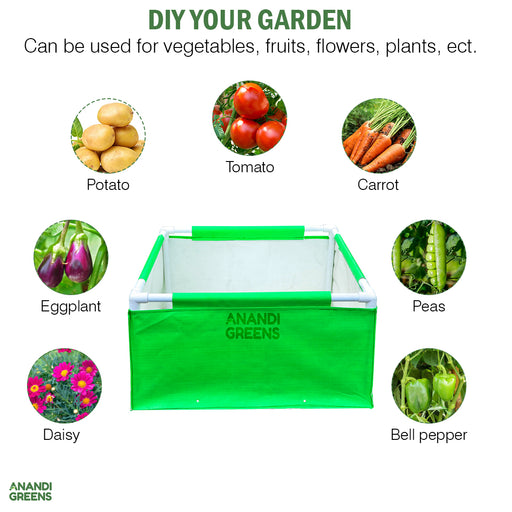
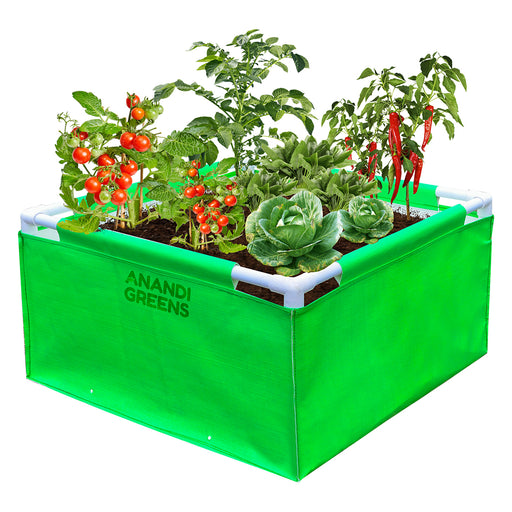
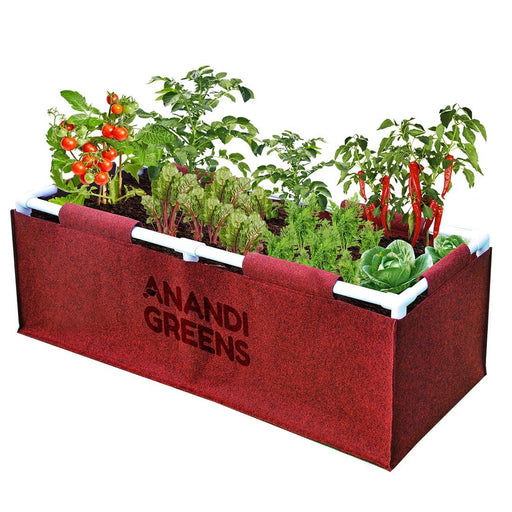
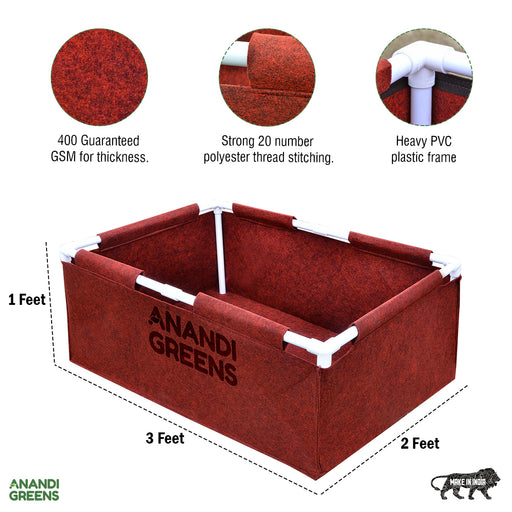
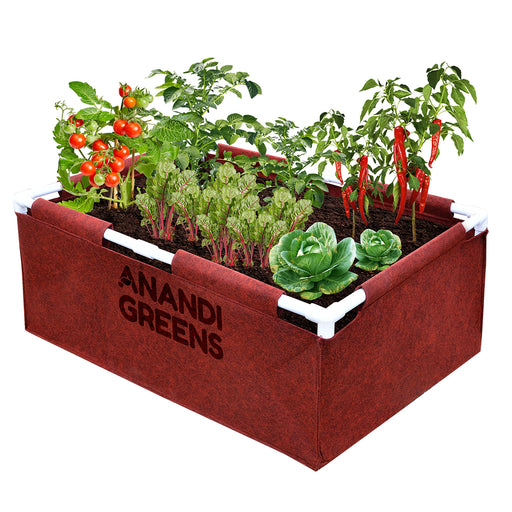
  • உகந்த வளர்ச்சிப் பை அளவுகள் :

வீட்டில் F-1 கலப்பின முள்ளங்கியை வளர்ப்பது எப்படி:

  1. விதைகளை விதைத்தல் : விதைகளை நேரடியாக தோட்டப் படுக்கையிலோ அல்லது கொள்கலன்களிலோ விதைக்கவும். மண்ணின் மெல்லிய அடுக்கால் மூடி, லேசாக தண்ணீர் ஊற்றவும். வெயில் படும் இடத்தில் வைத்து மண்ணை ஈரப்பதமாக வைத்திருங்கள். விதைகள் 5-10 நாட்களுக்குள் முளைக்கும்.
  2. மெல்லியதாக்குதல் : நாற்றுகள் அவற்றின் முதல் உண்மையான இலைகளை உருவாக்கியவுடன், முள்ளங்கிகள் வளர இடமளிக்க சுமார் 5 செ.மீ இடைவெளியில் அவற்றை மெல்லியதாக்கவும்.
  3. உரமிடுதல் : நடவு செய்வதற்கு முன் மண்ணில் கரிம உரம் இடுங்கள். முள்ளங்கிகளுக்கு பொதுவாக கூடுதல் உரமிடுதல் தேவையில்லை.

பராமரிப்பு குறிப்புகள்:

  • நீர்ப்பாசனம் : மண்ணை சமமாக ஈரப்பதமாக வைத்திருக்க தொடர்ந்து தண்ணீர் பாய்ச்சவும், ஆனால் நீர் தேங்குவதைத் தவிர்க்கவும்.
  • மண் : முள்ளங்கிகள் சரியாக விரிவடைந்து வளர அனுமதிக்க, நன்கு வடிகட்டிய, தளர்வான மண்ணைப் பயன்படுத்துங்கள்.
  • சூரிய ஒளி : முழு சூரிய ஒளி வெளிப்பாடு தேவை, தினமும் குறைந்தது 6 மணிநேரம் நேரடி சூரிய ஒளி படும்.
  • வெப்பநிலை : வளர உகந்த வெப்பநிலை 10-20°C க்கு இடையில் இருக்கும்.
  • பூச்சி மற்றும் நோய் மேலாண்மை : பொதுவான பூச்சிகளில் பிளே வண்டுகள் மற்றும் வேர் மாகோட்கள் அடங்கும். பூஞ்சை காளான் மற்றும் கருப்பு அழுகல் போன்ற நோய்களை சரியான இடைவெளி மற்றும் வழக்கமான கண்காணிப்பு மூலம் தடுக்கலாம். தேவைக்கேற்ப கரிம பூச்சிக்கொல்லிகளைப் பயன்படுத்துங்கள்.

அறுவடை:

முள்ளங்கிகள் முதிர்ந்த அளவை அடையும் போது அறுவடைக்குத் தயாராக இருக்கும், பொதுவாக விதைத்த 25-35 நாட்களுக்குப் பிறகு. முள்ளங்கியை மண்ணிலிருந்து மெதுவாகப் பிடுங்கி அறுவடை செய்யுங்கள்.

நீங்கள் ஏன் வாங்க வேண்டும்:

  • விரைவான வளர்ச்சி : சில வாரங்களில் அறுவடைக்குத் தயாராகும் முள்ளங்கிகளுடன் விரைவான பலன்களை அனுபவியுங்கள்.
  • அதிக மகசூல் : குறைந்த முயற்சியுடன் ஏராளமான அறுவடைகள்.
  • நோய் எதிர்ப்பு சக்தி : பொதுவான பூச்சிகள் மற்றும் நோய்களுக்கு சிறந்த எதிர்ப்பிற்காக வளர்க்கப்படுகிறது.
  • வளர்ப்பது எளிது : புதிய மற்றும் அனுபவம் வாய்ந்த தோட்டக்காரர்கள் இருவருக்கும் ஏற்றது.
  • ஊட்டச்சத்துக்கள் நிறைந்தது : வீட்டில் வளர்க்கப்படும் முள்ளங்கி வைட்டமின்கள் மற்றும் தாதுக்களால் நிரம்பியுள்ளது.

சிறப்பு அம்சங்கள்:

  • பொதுவான பெயர் : முள்ளங்கி
  • அறிவியல் பெயர் : ராபானஸ் சாடிவஸ்
  • தாவர உயரம் : 30 செ.மீ வரை
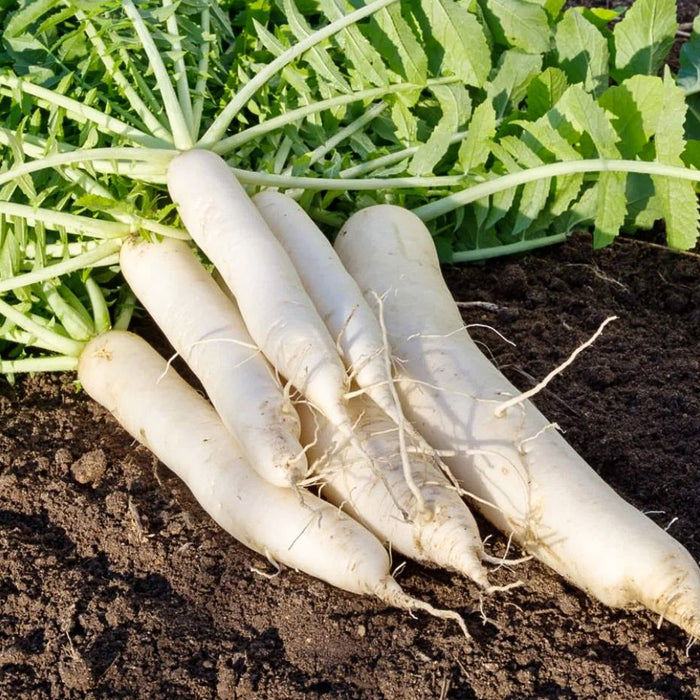
  • வேர் நிறம் : வகையைப் பொறுத்து பொதுவாக சிவப்பு அல்லது வெள்ளை.

அடிக்கடி கேட்கப்படும் கேள்விகள்:

  • என் முள்ளங்கி விதைகள் ஏன் முளைக்கவில்லை? போதுமான சூரிய ஒளி, தவறான மண்ணின் ஈரப்பதம் அல்லது பொருத்தமற்ற வெப்பநிலை போன்ற முறையற்ற வளரும் நிலைமைகள் முளைப்பதைத் தடுக்கலாம்.
  • முள்ளங்கி வேர்கள் விரிசல் ஏற்படுவதற்கு என்ன காரணம்? சீரற்ற நீர்ப்பாசனத்தால் விரிசல் ஏற்படுகிறது. மண் தொடர்ந்து ஈரப்பதமாக இருப்பதை உறுதிசெய்து கொள்ளுங்கள், ஆனால் நீர் தேங்காமல் பார்த்துக் கொள்ளுங்கள்.

குறிப்பு : படங்கள் குறிப்பு நோக்கங்களுக்காக மட்டுமே. உண்மையான தயாரிப்பு காலநிலை, வயது, உயரம் போன்றவற்றின் அடிப்படையில் வடிவம் அல்லது தோற்றத்தில் மாறுபடலாம்.

How to Grow Radish (Mooli)

Radish Growing Season in India

Radish grows best in India during Autumn and Winter, with the ideal sowing window falling between September and February. Cooler 10–25°C temperatures during this window help roots develop a mild flavor and crisp texture — Radish sown in hot weather tends to turn woody and pungent.

How to Grow Radish in Containers

Radish must be direct sown, since transplanting disturbs the developing taproot. - Use a deep container (minimum 20–25 cm deep) with loose, well-drained soil — compacted or rocky soil causes forked roots - Sow seeds 1–2 cm deep, spacing them 8–10 cm apart - Rows should be 20–30 cm apart in garden beds

Sowing and Germination

Sow seeds directly into loose, moist soil. Radish germinates quickly — in just 3–7 days — making it one of the fastest vegetables to show results, which is part of why it's often recommended as a beginner's first crop. For India-specific sowing calendars, ICAR's network of state agricultural universities publishes regional guidance.

Ongoing Care

Thin seedlings after germination to maintain proper spacing — overcrowded Radish produces small, misshapen roots as plants compete for space. Water regularly to keep soil consistently moist; inconsistent watering is the leading cause of split or cracked roots. Harvest once roots reach the desired size, typically 35–50 days after sowing — leaving Radish in the ground too long makes roots woody and overly sharp in flavor.

Common Name: Radish (Mooli)

Vegetable Type: Root Vegetable

Fruit Color: White

Plant Lifecycle: Annual

Seed Type: F1 Hybrid

Seed Size: Medium

Germination Time: 3–7 Days

Days to Harvest: 35–50 Days

Sowing Season: Autumn & Winter

Best Sowing Months (India): September–February

Harvest Duration: 2–4 Weeks

Fruit Size: Medium to Long

Plant Height: 20–40 cm

Growth Habit: Upright Rosette

Taste Profile: Mild, Crisp

Genus: Raphanus

Scientific Name: Raphanus sativus

Plant Family: Brassicaceae

Native Region: Asia

Sunlight: Full Sun (6–8 Hours)

Water Requirement: Moderate

Soil Type: Loose, Well-drained Sandy Loam Soil

Soil pH: 6.0–7.0

Temperature Range: 10–25°C

Direct Sow / Transplant: Direct Sow

Plant Spacing: 8–10 cm

Row Spacing: 20–30 cm

Container Friendly: Yes (Deep Containers/Grow Bags)

Beginner Friendly: Yes

Low Maintenance: Yes

Common Growing Problems: Root Maggots, Aphids, Flea Beetles, Downy Mildew, Clubroot

Popular Uses: Salad, Paratha, Curry, Pickles

How long do Radish seeds take to germinate?

Radish seeds germinate quickly, typically within 3–7 days, making it one of the fastest vegetables to grow from seed.

When should I sow Radish seeds in India?

The best sowing months for Radish in India are September to February, aligning with the Autumn and Winter growing season when cooler temperatures produce the mildest, crispest roots.

How long does Radish take to be ready for harvest?

Radish is one of the fastest vegetables, taking just 35–50 days from sowing to harvest.

Can I transplant Radish seedlings?

No, Radish should always be direct sown. Transplanting disturbs the developing taproot and typically causes forked, stunted, or misshapen roots.

How much sunlight does Radish need?

Radish needs full sun — 6–8 hours of direct sunlight daily — for the fastest growth and best root development.

Is Radish suitable for pots and grow bags?

Yes, Radish grows well in deep containers at least 20–25 cm deep. Since it's a root crop, container depth matters more than width for straight root development.

Why are my Radish roots forked or split?

Forked roots are usually caused by rocky or compacted soil, or by disturbing the seedling during thinning. Use loose, well-drained soil and thin seedlings carefully by snipping rather than pulling.

What soil pH does Radish prefer?

Radish grows best in loose, well-drained sandy loam soil with a pH range of 6.0–7.0. Heavy clay soil restricts root expansion and should be loosened with compost before sowing.

What are good companion plants for Radish?

Radish grows well alongside Carrot, Lettuce, and Peas. It's also often used as a fast-growing marker crop between slower-germinating vegetables sown in the same bed.

Why does my Radish taste very sharp and pungent?

A strong, sharp taste usually means the Radish was left in the ground too long, grown in hot weather, or under water stress. Harvest promptly once roots reach size and keep watering consistent for milder flavor.

Can I sow Radish seeds directly in a container?

Yes, and this is the only recommended method — Radish should never be transplanted. Use a container at least 20–25 cm deep with loose soil, and sow seeds 1–2 cm deep, spaced 8–10 cm apart.

What is the best time to sow Radish seeds in India?

The ideal sowing window is September to February, giving Radish the 10–25°C temperatures it needs for mild flavor and crisp texture. Sowing in hot weather causes woody, pungent roots.

Why are my Radish seeds not germinating?

Common causes include soil that's too dry, seeds sown too deep, or old seed. Radish germinates fast (3–7 days) when soil stays consistently moist and seeds are sown no deeper than 1–2 cm.

Why are my Radish roots small even though the leaves look healthy?

Small roots despite healthy foliage usually means overcrowding — plants competing for space put energy into leaves rather than root development. Thin seedlings to 8–10 cm apart soon after germination.

How do I control root maggots and flea beetles on Radish?

Inspect leaves for small shot-holes (flea beetle damage) and check roots at harvest for tunneling (root maggot damage). Rotate planting location each season, and remove plant debris after harvest to reduce pest carryover.

Why do my Radish roots have soft, tunneled patches?

This is a sign of root maggot damage. Prevention is more effective than treatment — avoid planting Radish in the same soil repeatedly, and lift roots promptly once mature rather than leaving them in the ground.

Can Radish be grown in partial shade?

Radish needs full sun for fast growth. In partial shade, roots develop slowly and often stay undersized, though the leafy tops may still grow reasonably well.

How often should I water Radish?

Water regularly to keep soil consistently moist — Radish's fast growth cycle means it's especially sensitive to dry spells, which cause roots to crack or split.

Why did my Radish plant bolt (flower) instead of forming a root?

Bolting is usually triggered by heat stress or day-length changes, especially if Radish is sown too late into warming Spring weather. Stick to the September–February sowing window and harvest promptly once roots mature.

Is it normal for Radish leaves to have small holes?

Small round holes in Radish leaves are commonly caused by flea beetles, especially in young seedlings. Light damage rarely affects root development, but if damage is severe, consider a neem-based spray on the foliage.

Refund Policy

This refund policy states that once an order has been delivered to and accepted by the customer, it cannot be refunded. However, if the customer believes that the order does not meet the specified requirements, they are required to contact the customer care team within 24 hours of receiving the order.

Here's a breakdown of the key points in this refund policy:

  • Orders Delivered and Accepted: Once a customer has received and accepted their order, they are not eligible for a refund.
  • Discrepancies in Order: If the customer believes that the order does not meet the specified requirements or is not as expected, they have a 24-hour window to contact the customer care team.

It's important for customers to read and understand the refund policy to know their rights and responsibilities when it comes to requesting refunds or addressing issues with their orders.

Cancellation Policy

This cancellation policy outlines the conditions under which customers can cancel their orders with Anandi Green's. Here are the key points of this policy:

  1. Cancellation Timeframe: Customers can request a cancellation within 24 hours of placing an order. Cancellation requests made after this time period may not be entertained.
  2. Exclusions for Cancellation: Orders cannot be canceled if they have already been communicated to the vendors/merchants, and the shipping process has been initiated. Additionally, there is no cancellation allowed for orders placed under the Same Day Delivery category.
  3. Special Occasion Products: Orders for products obtained by Anandi Green's marketing team on special occasions like Pongal, Diwali, Valentine's Day, etc., cannot be canceled. These are considered limited occasion offers.
  4. Damaged or Defective Items: If customers receive damaged or defective consumer durable or nondurable items, they should report the issue to the Customer Service team within 1 day of receipt. The request will be entertained after the merchant has checked and confirmed the issue.
  5. Product Not as Expected: If a customer receives a product that does not meet their expectations or does not match what was shown on the website, they must inform the customer service team within 24 hours of receiving the product. The Customer Service Team will review the complaint and make an appropriate decision.

Delivery and Shipping Policy

We have partnered with several logistics for our Domestic Shipments. Normal delivery and shipping estimate for all the domestic shipments are between 5 to 7 business days, delays might occur in some unavoidable circumstances .

Mandatory Unboxing Video for Claims.

For missing items or damaged products, claiming resolution requires the customer to provide a clear and uninterrupted unboxing video.

OTP Verified Delivery Protocol.

Delivery OTP should be provided only when the delivery agent is physically present at the doorstep. Any OTP shared over a call before product arrival will result in cancellation or rescheduling of the delivery.

Description

விளக்கம்:

எங்கள் F-1 கலப்பின முள்ளங்கி விதைகளைப் பயன்படுத்தி உங்கள் சொந்த புதிய மற்றும் மொறுமொறுப்பான முள்ளங்கியை வளர்க்கவும்! இந்த விதைகள் அதிக மகசூல், விரைவான வளர்ச்சி மற்றும் பொதுவான பூச்சிகள் மற்றும் நோய்களுக்கு எதிர்ப்புத் திறன் ஆகியவற்றிற்காக சிறப்பாக வளர்க்கப்படுகின்றன. வீட்டுத் தோட்டங்கள் மற்றும் வணிகப் பண்ணைகளுக்கு ஏற்ற இந்த முள்ளங்கிகள் சாலடுகள், அலங்காரப் பொருட்கள் மற்றும் ஊறுகாய்களுக்கு ஏற்றவை.

அம்சங்கள்:

  • விதைகளின் எண்ணிக்கை : 50 உயர்தர F1 கலப்பின விதைகள்.
  • வளரும் இடம் : வெளிப்புற தோட்டங்கள் மற்றும் கொள்கலன் தோட்டக்கலைக்கு ஏற்றது.
  • விதைப்பு பருவம் : வசந்த காலம் மற்றும் இலையுதிர் காலத்தில் நடவு செய்வது சிறந்தது.
  • விதைப்பு முறை : நேரடி விதைப்பு பரிந்துரைக்கப்படுகிறது.
  • முளைக்கும் நேரம் : 5 முதல் 10 நாட்கள்.
  • முளைப்பு வெப்பநிலை : 10-20°C.
  • அறுவடை நேரம் : விதைத்ததிலிருந்து 25 முதல் 35 நாட்கள் வரை.
  • உகந்த வளர்ச்சிப் பை அளவுகள் :

வீட்டில் F-1 கலப்பின முள்ளங்கியை வளர்ப்பது எப்படி:

  1. விதைகளை விதைத்தல் : விதைகளை நேரடியாக தோட்டப் படுக்கையிலோ அல்லது கொள்கலன்களிலோ விதைக்கவும். மண்ணின் மெல்லிய அடுக்கால் மூடி, லேசாக தண்ணீர் ஊற்றவும். வெயில் படும் இடத்தில் வைத்து மண்ணை ஈரப்பதமாக வைத்திருங்கள். விதைகள் 5-10 நாட்களுக்குள் முளைக்கும்.
  2. மெல்லியதாக்குதல் : நாற்றுகள் அவற்றின் முதல் உண்மையான இலைகளை உருவாக்கியவுடன், முள்ளங்கிகள் வளர இடமளிக்க சுமார் 5 செ.மீ இடைவெளியில் அவற்றை மெல்லியதாக்கவும்.
  3. உரமிடுதல் : நடவு செய்வதற்கு முன் மண்ணில் கரிம உரம் இடுங்கள். முள்ளங்கிகளுக்கு பொதுவாக கூடுதல் உரமிடுதல் தேவையில்லை.

பராமரிப்பு குறிப்புகள்:

  • நீர்ப்பாசனம் : மண்ணை சமமாக ஈரப்பதமாக வைத்திருக்க தொடர்ந்து தண்ணீர் பாய்ச்சவும், ஆனால் நீர் தேங்குவதைத் தவிர்க்கவும்.
  • மண் : முள்ளங்கிகள் சரியாக விரிவடைந்து வளர அனுமதிக்க, நன்கு வடிகட்டிய, தளர்வான மண்ணைப் பயன்படுத்துங்கள்.
  • சூரிய ஒளி : முழு சூரிய ஒளி வெளிப்பாடு தேவை, தினமும் குறைந்தது 6 மணிநேரம் நேரடி சூரிய ஒளி படும்.
  • வெப்பநிலை : வளர உகந்த வெப்பநிலை 10-20°C க்கு இடையில் இருக்கும்.
  • பூச்சி மற்றும் நோய் மேலாண்மை : பொதுவான பூச்சிகளில் பிளே வண்டுகள் மற்றும் வேர் மாகோட்கள் அடங்கும். பூஞ்சை காளான் மற்றும் கருப்பு அழுகல் போன்ற நோய்களை சரியான இடைவெளி மற்றும் வழக்கமான கண்காணிப்பு மூலம் தடுக்கலாம். தேவைக்கேற்ப கரிம பூச்சிக்கொல்லிகளைப் பயன்படுத்துங்கள்.

அறுவடை:

முள்ளங்கிகள் முதிர்ந்த அளவை அடையும் போது அறுவடைக்குத் தயாராக இருக்கும், பொதுவாக விதைத்த 25-35 நாட்களுக்குப் பிறகு. முள்ளங்கியை மண்ணிலிருந்து மெதுவாகப் பிடுங்கி அறுவடை செய்யுங்கள்.

நீங்கள் ஏன் வாங்க வேண்டும்:

  • விரைவான வளர்ச்சி : சில வாரங்களில் அறுவடைக்குத் தயாராகும் முள்ளங்கிகளுடன் விரைவான பலன்களை அனுபவியுங்கள்.
  • அதிக மகசூல் : குறைந்த முயற்சியுடன் ஏராளமான அறுவடைகள்.
  • நோய் எதிர்ப்பு சக்தி : பொதுவான பூச்சிகள் மற்றும் நோய்களுக்கு சிறந்த எதிர்ப்பிற்காக வளர்க்கப்படுகிறது.
  • வளர்ப்பது எளிது : புதிய மற்றும் அனுபவம் வாய்ந்த தோட்டக்காரர்கள் இருவருக்கும் ஏற்றது.
  • ஊட்டச்சத்துக்கள் நிறைந்தது : வீட்டில் வளர்க்கப்படும் முள்ளங்கி வைட்டமின்கள் மற்றும் தாதுக்களால் நிரம்பியுள்ளது.

சிறப்பு அம்சங்கள்:

  • பொதுவான பெயர் : முள்ளங்கி
  • அறிவியல் பெயர் : ராபானஸ் சாடிவஸ்
  • தாவர உயரம் : 30 செ.மீ வரை
  • வேர் நிறம் : வகையைப் பொறுத்து பொதுவாக சிவப்பு அல்லது வெள்ளை.

அடிக்கடி கேட்கப்படும் கேள்விகள்:

  • என் முள்ளங்கி விதைகள் ஏன் முளைக்கவில்லை? போதுமான சூரிய ஒளி, தவறான மண்ணின் ஈரப்பதம் அல்லது பொருத்தமற்ற வெப்பநிலை போன்ற முறையற்ற வளரும் நிலைமைகள் முளைப்பதைத் தடுக்கலாம்.
  • முள்ளங்கி வேர்கள் விரிசல் ஏற்படுவதற்கு என்ன காரணம்? சீரற்ற நீர்ப்பாசனத்தால் விரிசல் ஏற்படுகிறது. மண் தொடர்ந்து ஈரப்பதமாக இருப்பதை உறுதிசெய்து கொள்ளுங்கள், ஆனால் நீர் தேங்காமல் பார்த்துக் கொள்ளுங்கள்.

குறிப்பு : படங்கள் குறிப்பு நோக்கங்களுக்காக மட்டுமே. உண்மையான தயாரிப்பு காலநிலை, வயது, உயரம் போன்றவற்றின் அடிப்படையில் வடிவம் அல்லது தோற்றத்தில் மாறுபடலாம்.

How to grow

How to Grow Radish (Mooli)

Radish Growing Season in India

Radish grows best in India during Autumn and Winter, with the ideal sowing window falling between September and February. Cooler 10–25°C temperatures during this window help roots develop a mild flavor and crisp texture — Radish sown in hot weather tends to turn woody and pungent.

How to Grow Radish in Containers

Radish must be direct sown, since transplanting disturbs the developing taproot. - Use a deep container (minimum 20–25 cm deep) with loose, well-drained soil — compacted or rocky soil causes forked roots - Sow seeds 1–2 cm deep, spacing them 8–10 cm apart - Rows should be 20–30 cm apart in garden beds

Sowing and Germination

Sow seeds directly into loose, moist soil. Radish germinates quickly — in just 3–7 days — making it one of the fastest vegetables to show results, which is part of why it's often recommended as a beginner's first crop. For India-specific sowing calendars, ICAR's network of state agricultural universities publishes regional guidance.

Ongoing Care

Thin seedlings after germination to maintain proper spacing — overcrowded Radish produces small, misshapen roots as plants compete for space. Water regularly to keep soil consistently moist; inconsistent watering is the leading cause of split or cracked roots. Harvest once roots reach the desired size, typically 35–50 days after sowing — leaving Radish in the ground too long makes roots woody and overly sharp in flavor.

Technical Details

Common Name: Radish (Mooli)

Vegetable Type: Root Vegetable

Fruit Color: White

Plant Lifecycle: Annual

Seed Type: F1 Hybrid

Seed Size: Medium

Germination Time: 3–7 Days

Days to Harvest: 35–50 Days

Sowing Season: Autumn & Winter

Best Sowing Months (India): September–February

Harvest Duration: 2–4 Weeks

Fruit Size: Medium to Long

Plant Height: 20–40 cm

Growth Habit: Upright Rosette

Taste Profile: Mild, Crisp

Genus: Raphanus

Scientific Name: Raphanus sativus

Plant Family: Brassicaceae

Native Region: Asia

Growing Conditions

Sunlight: Full Sun (6–8 Hours)

Water Requirement: Moderate

Soil Type: Loose, Well-drained Sandy Loam Soil

Soil pH: 6.0–7.0

Temperature Range: 10–25°C

Direct Sow / Transplant: Direct Sow

Plant Spacing: 8–10 cm

Row Spacing: 20–30 cm

Container Friendly: Yes (Deep Containers/Grow Bags)

Beginner Friendly: Yes

Low Maintenance: Yes

Common Growing Problems: Root Maggots, Aphids, Flea Beetles, Downy Mildew, Clubroot

Popular Uses: Salad, Paratha, Curry, Pickles

FAQ's
How long do Radish seeds take to germinate?

Radish seeds germinate quickly, typically within 3–7 days, making it one of the fastest vegetables to grow from seed.

When should I sow Radish seeds in India?

The best sowing months for Radish in India are September to February, aligning with the Autumn and Winter growing season when cooler temperatures produce the mildest, crispest roots.

How long does Radish take to be ready for harvest?

Radish is one of the fastest vegetables, taking just 35–50 days from sowing to harvest.

Can I transplant Radish seedlings?

No, Radish should always be direct sown. Transplanting disturbs the developing taproot and typically causes forked, stunted, or misshapen roots.

How much sunlight does Radish need?

Radish needs full sun — 6–8 hours of direct sunlight daily — for the fastest growth and best root development.

Is Radish suitable for pots and grow bags?

Yes, Radish grows well in deep containers at least 20–25 cm deep. Since it's a root crop, container depth matters more than width for straight root development.

Why are my Radish roots forked or split?

Forked roots are usually caused by rocky or compacted soil, or by disturbing the seedling during thinning. Use loose, well-drained soil and thin seedlings carefully by snipping rather than pulling.

What soil pH does Radish prefer?

Radish grows best in loose, well-drained sandy loam soil with a pH range of 6.0–7.0. Heavy clay soil restricts root expansion and should be loosened with compost before sowing.

What are good companion plants for Radish?

Radish grows well alongside Carrot, Lettuce, and Peas. It's also often used as a fast-growing marker crop between slower-germinating vegetables sown in the same bed.

Why does my Radish taste very sharp and pungent?

A strong, sharp taste usually means the Radish was left in the ground too long, grown in hot weather, or under water stress. Harvest promptly once roots reach size and keep watering consistent for milder flavor.

Common Questions & Troubleshooting
Can I sow Radish seeds directly in a container?

Yes, and this is the only recommended method — Radish should never be transplanted. Use a container at least 20–25 cm deep with loose soil, and sow seeds 1–2 cm deep, spaced 8–10 cm apart.

What is the best time to sow Radish seeds in India?

The ideal sowing window is September to February, giving Radish the 10–25°C temperatures it needs for mild flavor and crisp texture. Sowing in hot weather causes woody, pungent roots.

Why are my Radish seeds not germinating?

Common causes include soil that's too dry, seeds sown too deep, or old seed. Radish germinates fast (3–7 days) when soil stays consistently moist and seeds are sown no deeper than 1–2 cm.

Why are my Radish roots small even though the leaves look healthy?

Small roots despite healthy foliage usually means overcrowding — plants competing for space put energy into leaves rather than root development. Thin seedlings to 8–10 cm apart soon after germination.

How do I control root maggots and flea beetles on Radish?

Inspect leaves for small shot-holes (flea beetle damage) and check roots at harvest for tunneling (root maggot damage). Rotate planting location each season, and remove plant debris after harvest to reduce pest carryover.

Why do my Radish roots have soft, tunneled patches?

This is a sign of root maggot damage. Prevention is more effective than treatment — avoid planting Radish in the same soil repeatedly, and lift roots promptly once mature rather than leaving them in the ground.

Can Radish be grown in partial shade?

Radish needs full sun for fast growth. In partial shade, roots develop slowly and often stay undersized, though the leafy tops may still grow reasonably well.

How often should I water Radish?

Water regularly to keep soil consistently moist — Radish's fast growth cycle means it's especially sensitive to dry spells, which cause roots to crack or split.

Why did my Radish plant bolt (flower) instead of forming a root?

Bolting is usually triggered by heat stress or day-length changes, especially if Radish is sown too late into warming Spring weather. Stick to the September–February sowing window and harvest promptly once roots mature.

Is it normal for Radish leaves to have small holes?

Small round holes in Radish leaves are commonly caused by flea beetles, especially in young seedlings. Light damage rarely affects root development, but if damage is severe, consider a neem-based spray on the foliage.

Shipping & Return

Refund Policy

This refund policy states that once an order has been delivered to and accepted by the customer, it cannot be refunded. However, if the customer believes that the order does not meet the specified requirements, they are required to contact the customer care team within 24 hours of receiving the order.

Here's a breakdown of the key points in this refund policy:

  • Orders Delivered and Accepted: Once a customer has received and accepted their order, they are not eligible for a refund.
  • Discrepancies in Order: If the customer believes that the order does not meet the specified requirements or is not as expected, they have a 24-hour window to contact the customer care team.

It's important for customers to read and understand the refund policy to know their rights and responsibilities when it comes to requesting refunds or addressing issues with their orders.

Cancellation Policy

This cancellation policy outlines the conditions under which customers can cancel their orders with Anandi Green's. Here are the key points of this policy:

  1. Cancellation Timeframe: Customers can request a cancellation within 24 hours of placing an order. Cancellation requests made after this time period may not be entertained.
  2. Exclusions for Cancellation: Orders cannot be canceled if they have already been communicated to the vendors/merchants, and the shipping process has been initiated. Additionally, there is no cancellation allowed for orders placed under the Same Day Delivery category.
  3. Special Occasion Products: Orders for products obtained by Anandi Green's marketing team on special occasions like Pongal, Diwali, Valentine's Day, etc., cannot be canceled. These are considered limited occasion offers.
  4. Damaged or Defective Items: If customers receive damaged or defective consumer durable or nondurable items, they should report the issue to the Customer Service team within 1 day of receipt. The request will be entertained after the merchant has checked and confirmed the issue.
  5. Product Not as Expected: If a customer receives a product that does not meet their expectations or does not match what was shown on the website, they must inform the customer service team within 24 hours of receiving the product. The Customer Service Team will review the complaint and make an appropriate decision.

Delivery and Shipping Policy

We have partnered with several logistics for our Domestic Shipments. Normal delivery and shipping estimate for all the domestic shipments are between 5 to 7 business days, delays might occur in some unavoidable circumstances .

Mandatory Unboxing Video for Claims.

For missing items or damaged products, claiming resolution requires the customer to provide a clear and uninterrupted unboxing video.

OTP Verified Delivery Protocol.

Delivery OTP should be provided only when the delivery agent is physically present at the doorstep. Any OTP shared over a call before product arrival will result in cancellation or rescheduling of the delivery.
Why Choose Us

See How We Compare

An honest side-by-side look at everything that matters.

Features

Radish (मूली) F-1 Hybrid Seeds

View Product

Turnip (शलजम) Seeds

View Product

Onion (प्याज के बीज) Bunching Seeds

View Product

White Onion Seeds सफेद प्याज

View Product
Annual / Perennial

Annual

Annual

Biennial (Generally Grown as Annual)

F1 Hybrid / Open Pollinated

Open Pollinated

Open Pollinated

Open Pollinated

Sowing Season

Autumn & Winter

Autumn & Winter

Autumn & Winter

Days to Harvest

40–60 Days

60–80 Days

100–130 Days

Plant Height

30–45 cm

30–60 cm

30–60 cm

Fruit / Root Size

Medium

Not Applicable

Medium

Taste Profile

Mild, Slightly Sweet

Mild Onion Flavor

Mild Onion Flavor

Yield Potential

High

High

High

Container / Grow Bag Friendly

Yes (Deep Containers/Grow Bags)

Yes

Yes (Deep Containers/Grow Bags)

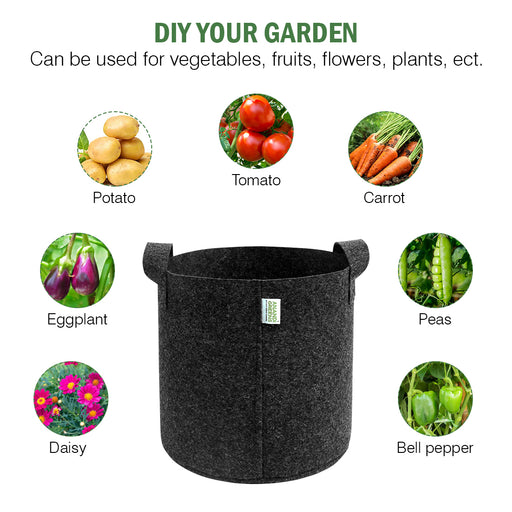
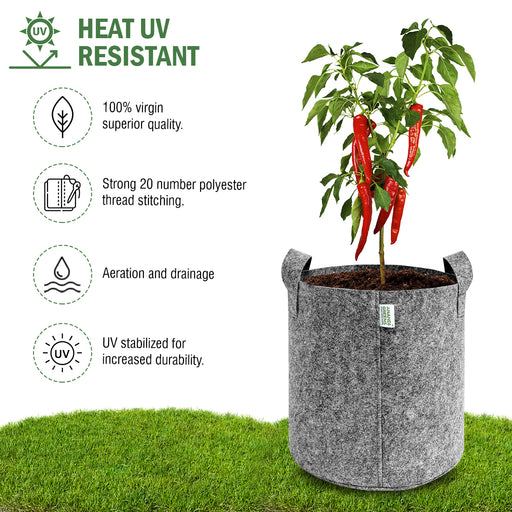
Choose your Grow Bag Easily!